
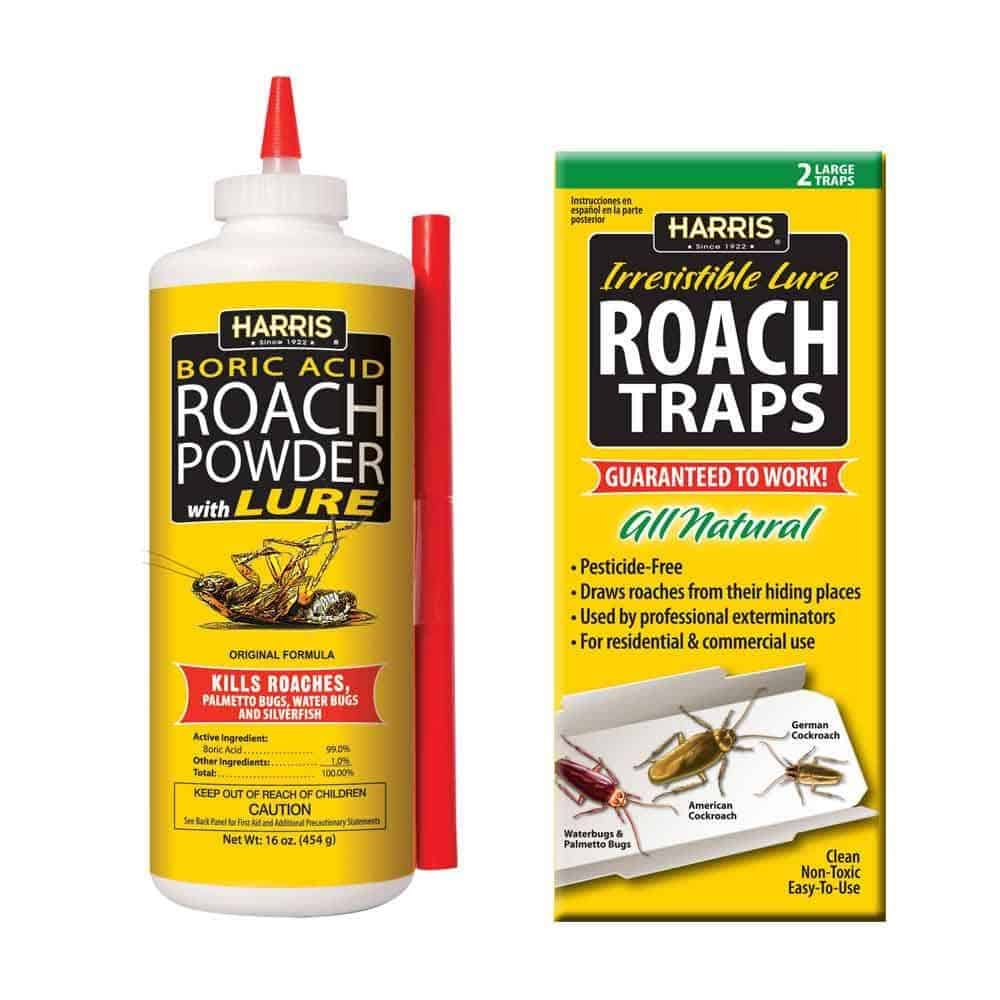
Boric acid can help control cockroaches when a product labeled for cockroaches is applied as a very thin, dry layer in inaccessible cracks and voids. Thick piles, wet locations, open floors, counters, and improvised food mixtures are poor or unsafe uses. Boric acid is a supporting tool—not a replacement for sanitation, moisture repair, monitoring, and bait placement.
Best use
Consider a labeled boric-acid dust for dry, protected harborages where people and pets cannot contact it. Avoid visible piles. Cockroaches tend to walk around heavy deposits, while a light film is more likely to adhere to the body and be ingested during grooming.
How boric acid affects cockroaches
Boric acid dust can be picked up when cockroaches cross a treated surface. Material on the body may later be ingested during grooming and can affect the insect internally. Results are not instant, and placement determines whether cockroaches encounter the treatment.
Good and poor placement compared
| Better placement | Poor placement |
|---|---|
| Thin film in a dry, inaccessible crack or void allowed by the label | Thick lines or piles that cockroaches can avoid |
| Near confirmed travel routes and harborages | Across an entire floor or room without monitoring evidence |
| Behind a fixed kick plate or protected plumbing gap where permitted | Countertops, pantry shelves, dishes, food, or food-contact surfaces |
| Locations protected from children and pets | Open areas, pet routes, toys, bedding, or accessible cabinet shelves |
| Dry areas where the dust remains undisturbed | Wet drains, sinks, tubs, damp basements, or frequently washed surfaces |
Why more powder is not better
A common mistake is applying a visible ridge. Cockroaches may avoid it, and loose dust can be tracked or become airborne during cleaning. The label may specify a thin application with a bulb duster or similar device. Do not improvise application equipment or exceed the directed amount.
Step-by-step planning
- Identify the species and map activity with sticky monitors.
- Read the complete product label and confirm the exact site is allowed.
- Remove food, utensils, pet items, and personal belongings from the work area.
- Repair leaks and select a dry, protected placement near activity.
- Apply only the label-directed amount; avoid drift and exposed residue.
- Clean accidental deposits using the label’s cleanup instructions.
- Keep monitoring and combine with food, water, clutter, and entry-route correction.
Safety note: Boric acid can be harmful if swallowed and dust can irritate eyes or airways. Keep the original container and label, prevent access by children and pets, and do not apply to food or make unlabeled bait recipes. Contact Poison Control or a veterinarian for suspected exposure as appropriate.
Boric acid versus other methods
| Method | Strength | Limitation |
|---|---|---|
| Boric-acid dust | Long-lasting in protected dry voids | Slow; placement and exposure control are critical |
| Gel bait | Targeted food-based delivery near harborages | Can dry out or be contaminated; needs renewal |
| Bait station | Contained placement and simple monitoring | Must be correctly positioned; not childproof in every circumstance |
| Silica or other labeled dust | Useful in certain protected voids | Airborne dust and placement restrictions require care |
| Contact spray | Fast on a directly hit insect | Little information about hidden population decline |
Can boric acid be combined with bait?
Potentially, when both labels allow the placements, but avoid putting loose dust on bait or creating barriers that prevent cockroaches from reaching it. Keep methods separated and monitor response. Compare our cockroach bait guide and dust and powder guide.
Common mistakes
- Using unlabeled bulk powder or homemade food mixtures.
- Applying in wet areas where dust cakes or washes away.
- Leaving visible deposits on floors, counters, or cabinet shelves.
- Treating before locating activity.
- Expecting instant results and reapplying excessively.
- Ignoring leaks, food, trash, cardboard, and shared-building routes.
When professional help is appropriate
Use a licensed professional for widespread activity, daytime sightings, several units, sensitive occupants, inaccessible voids, or continued captures despite a careful integrated plan. Professionals can choose an appropriate dusting device and placement while coordinating bait and follow-up.
Frequently asked questions
How long does boric acid take?
It is not an instant contact treatment. Timing varies with exposure, placement, competing resources, and infestation size. Judge the program by weekly monitor trends.
Can I put boric acid under appliances?
Only if the product label allows that site and the placement remains dry, inaccessible, and away from electrical or mechanical hazards. Do not create exposed piles.
Is boric acid safe for pets?
No pesticide should be described as universally pet-safe. Prevent access and follow the label. Obtain veterinary advice for suspected ingestion or species-specific risk.
Does boric acid kill egg cases?
Do not rely on dust to penetrate an intact hidden egg case. Continue monitoring for newly emerged nymphs and maintain the broader control plan.
Sources and further reading
- National Pesticide Information Center: Boric Acid General Fact Sheet
- University of California Statewide IPM Program: Cockroaches
- U.S. EPA: Citizen’s Guide to Pest Control and Pesticide Safety
2026 field review notes
Boric acid is most useful as a light, protected deposit in a permitted dry void. Visible piles are easier to avoid and more likely to be disturbed. Moisture, cleaning, airflow, and occupant access should be checked before application.
Verification checklist
- Confirm the species or evidence before choosing treatment.
- Record active rooms and numbered trap counts before and after changes.
- Correct food, water, shelter, and entry conditions that support activity.
- Read and follow the entire product label, including storage and disposal.
- Escalate to a licensed professional when activity spreads or safe access is limited.
Sources and further reading
30-day verification plan
Use the first inspection as a baseline rather than relying on memory. Number every sticky monitor and write down its exact location, the date, the number and life stage of cockroaches captured, and any nearby food, moisture, heat, or structural gap. Recheck the same locations after seven days. A decline across the active traps is more meaningful than a quiet night with no visible insects.
During the second week, correct conditions that the first inspection missed. Clean grease and crumbs in protected edges, repair small leaks or condensation problems, reduce cardboard and clutter, and inspect the routes connecting the active room to adjacent cabinets, plumbing, appliances, or units. Refresh only those treatment placements that the product label allows and that are consumed, contaminated, or no longer usable.
At days 21–30, compare the new map with the baseline. Persistent nymphs, fresh droppings, repeated captures in an adjacent room, or unchanged counts can indicate a missed harborage, unsuitable placement, reinvasion, or the need for coordinated professional service. Continue a few clean monitors after activity appears to stop so a low-level return is detected early.
Questions to record
- Which trap has the highest count, and did that position change?
- Are adults, nymphs, or both being captured?
- Is new evidence appearing after cleaning?
- Can children or pets reach any treatment placement?
- Does the building have a shared wall, pipe chase, trash area, or untreated neighboring unit?
Product options for this treatment role
These links are provided for comparison, not as a substitute for the product label or professional advice.
Boric-acid formats and monitoring tools
Use very light, label-directed placements and measure activity rather than applying visible piles.
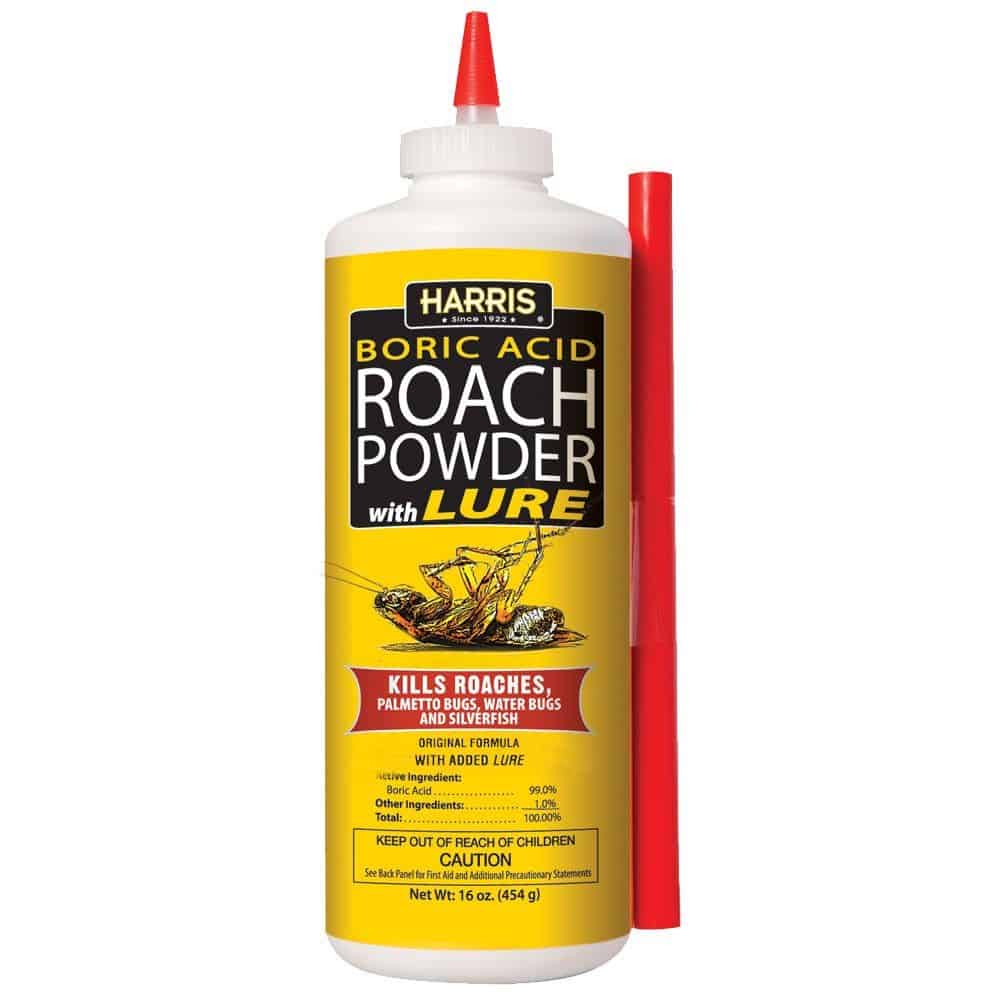
Harris Boric Acid Roach Powder
Best for: Dry, inaccessible, label-permitted cracks and voids
A boric-acid dust example for precise, low-visibility application.
- Long-lasting when kept drynLow-volume targeted usenUseful for selected voids
Know before buying: Apply only as the current label directs; do not leave exposed piles.
Check current options on AmazonHarris Famous Roach Tablets
Best for: Comparing tablet bait with stations, gel and dust
A tablet-format cockroach product that must be placed only as its current label allows.
- No gel applicator
- Easy to count placements
- Useful format comparison
Know before buying: Do not use exposed pesticide tablets where children, pets or food can contact them. Follow the current label.
Check current tablet optionsCatchmaster Insect Monitoring Traps
Best for: Locating activity and comparing counts over time
Adhesive monitors help identify active harborages and measure whether a control plan is improving.
- Pesticide-free monitoring role
- Useful under sinks and near appliances
- Makes progress measurable
Know before buying: Place where children and pets cannot contact the adhesive and inspect on a regular schedule.
Check monitoring-trap options