
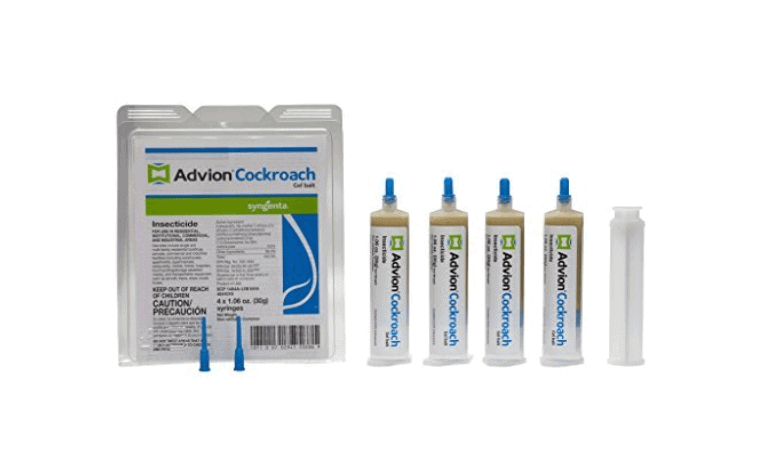
When gel bait performance stalls, the cause may be poor placement, competing food, contamination, dried bait, aversion, reinvasion, or insecticide resistance. Rotation should be evidence-based.
Cockroach problems are easiest to solve when the evidence is used to choose the next action. A single sighting does not reveal the size of an infestation, and a treatment product cannot compensate for an uncorrected water source, food residue, hiding space, or route between units. This guide uses an integrated pest-management approach: identify, inspect, remove supporting conditions, monitor, treat only where needed, and verify the result.
Changing products too quickly makes it difficult to determine whether the active ingredient, formulation, placement, or building conditions caused the result. The objective is not simply to kill the cockroach that is visible. It is to locate the activity zone, reduce the resources supporting it, and measure whether the population is actually declining.
What to look for first
Begin with a flashlight, sticky monitors, a vacuum with a crevice tool, and a written map of sightings. Record the date, room, time, life stage, and nearby food or moisture. These details are more useful than relying on memory after several days.
- Bait remains untouched beside confirmed activity.
- Trap counts stop declining despite fresh protected placements.
- Cockroaches approach but do not feed on a formulation.
- Activity returns from an adjoining untreated unit or utility route.
Check edges rather than open floor space. Cockroaches commonly follow wall-floor junctions and hide in tight gaps near heat, moisture, food, plumbing, motors, hinges, drawer slides, and cardboard. Inspect at night when practical, but do not assume an empty daytime inspection proves the room is clear.
Step-by-step inspection and control plan
- Confirm the evidence. Photograph or capture a specimen when possible. Separate cockroaches from beetles, crickets, and outdoor insects that entered accidentally.
- Map the activity. Place numbered sticky monitors tight against edges near likely harborages. Avoid placing them in the center of rooms.
- Remove competing food. Clean grease films, crumbs, spills, recycling residue, pet food, and organic debris. Store food in tight containers.
- Correct moisture. Repair leaks, dry sinks and counters overnight, address condensation, and inspect drains and appliance drip areas.
- Reduce shelter and access. Remove corrugated cardboard and clutter, then seal appropriate cracks and pipe penetrations after active hiding places have been treated or cleared.
- Use targeted treatment. Follow the product label exactly. Put bait or dust only in locations and amounts allowed by the label, away from children, pets, food-contact surfaces, and routine cleaning.
- Recheck the monitors. Compare counts weekly. Change one part of the plan at a time so the result can be interpreted.
Priorities for this situation
- Record product, active ingredient, placement date, and trap counts.
- Refresh contaminated or dried placements before concluding resistance.
- If rotation is justified, choose a different active ingredient and preserve monitoring.
Targeted bait placements are usually more informative than broad spraying because they can be placed near confirmed routes and checked later. Sprays applied near bait can contaminate it or repel insects from the placement area. Total-release foggers distribute insecticide without reaching many protected harborages and may increase exposure; they are not a substitute for inspection and source correction.
A practical monitoring schedule
| Time | What to do | What the result means |
|---|---|---|
| Day 0 | Inspect, photograph evidence, number traps, correct urgent food and water sources. | Creates a baseline before treatment. |
| Days 3–7 | Count captures by trap and replace contaminated or full monitors. | Identifies the strongest activity zones. |
| Days 8–14 | Refresh label-compliant bait where feeding or captures continue; correct missed sanitation and exclusion issues. | A declining count suggests progress; a flat count means the plan needs adjustment. |
| Days 21–30 | Inspect again under appliances, at plumbing, and in adjacent rooms or units. | Persistent nymphs or repeated captures can indicate an untreated harborage or reinvasion. |
Common mistakes
- Rotating only between brands with the same active ingredient.
- Mixing gel into food or using more than the label allows.
- Calling any slow result resistance without checking reinvasion and sanitation.
Another common mistake is measuring success only by live sightings. Look for trap counts, new droppings, fresh egg cases, bait consumption, and changes in the rooms where activity occurs. Continue monitoring after sightings stop because low-level activity can be easy to miss.
Safety and label checks
Read the complete pesticide label before purchase and again before application. The label determines where the product may be used, how much may be applied, required precautions, and storage or disposal instructions. Never transfer pesticides to an unlabeled container. Keep treatments away from food preparation surfaces and locations accessible to children or pets.
People with asthma or respiratory sensitivity should minimize exposure to airborne irritants and cockroach debris. Clean with methods that avoid spreading dust, ventilate as appropriate, and consider professional help when contamination or pesticide use cannot be managed safely.
When professional help is the better choice
A licensed professional can interpret persistent activity, choose compatible active ingredients, and coordinate treatments across multiple units. Ask the provider how the species will be confirmed, how monitoring will be used, which conditions must be corrected, what products are proposed, and how follow-up success will be measured. A credible plan should include more than a one-time baseboard spray.
Frequently asked questions
What is bait aversion?
A population may avoid a formulation or food matrix; this is different from surviving the active ingredient.
How often should gel bait be rotated?
There is no universal calendar. Rotate based on monitoring, label guidance, product condition, and evidence of failure.
Can two gels be mixed?
Do not mix pesticide products unless the labels explicitly permit it.
Does resistance mean all bait will fail?
No. Formulation, active ingredient, placement, sanitation, and reinvasion all influence results.
Related Roach Expert guides
- Advion Cockroach Gel Bait Review: Label, Uses, and Limits
- Cockroach Baits Compared: Gel, Stations, and Granules
- Best Cockroach Control Products: Methods Compared
- How to Get Rid of Cockroaches: A Practical 7-Step Plan