
Quick verdict
Gel bait offers the most flexible placement near narrow cockroach harborages, while enclosed bait stations provide cleaner containment in accessible areas. Both require correct placement, removal of competing food, and weekly monitoring. The best cockroach bait is the one whose label fits the pest and site and that cockroaches will actually feed on.
Gel bait vs. bait stations vs. granular bait
| Format | Best for | Advantages | Limitations |
|---|---|---|---|
| Gel bait | Many small placements in cracks near indoor harborages | Flexible, targeted, easy to reposition | Can dry, become contaminated, or remain exposed if placed poorly |
| Enclosed station | Accessible areas needing contained bait | Less mess; formulation protected by housing | May not fit narrow voids or sit close enough to the harborage |
| Granular bait | Label-authorized outdoor or specific non-food sites | Covers different placement conditions | Loose granules require careful containment and are not suitable everywhere |
How cockroach bait works
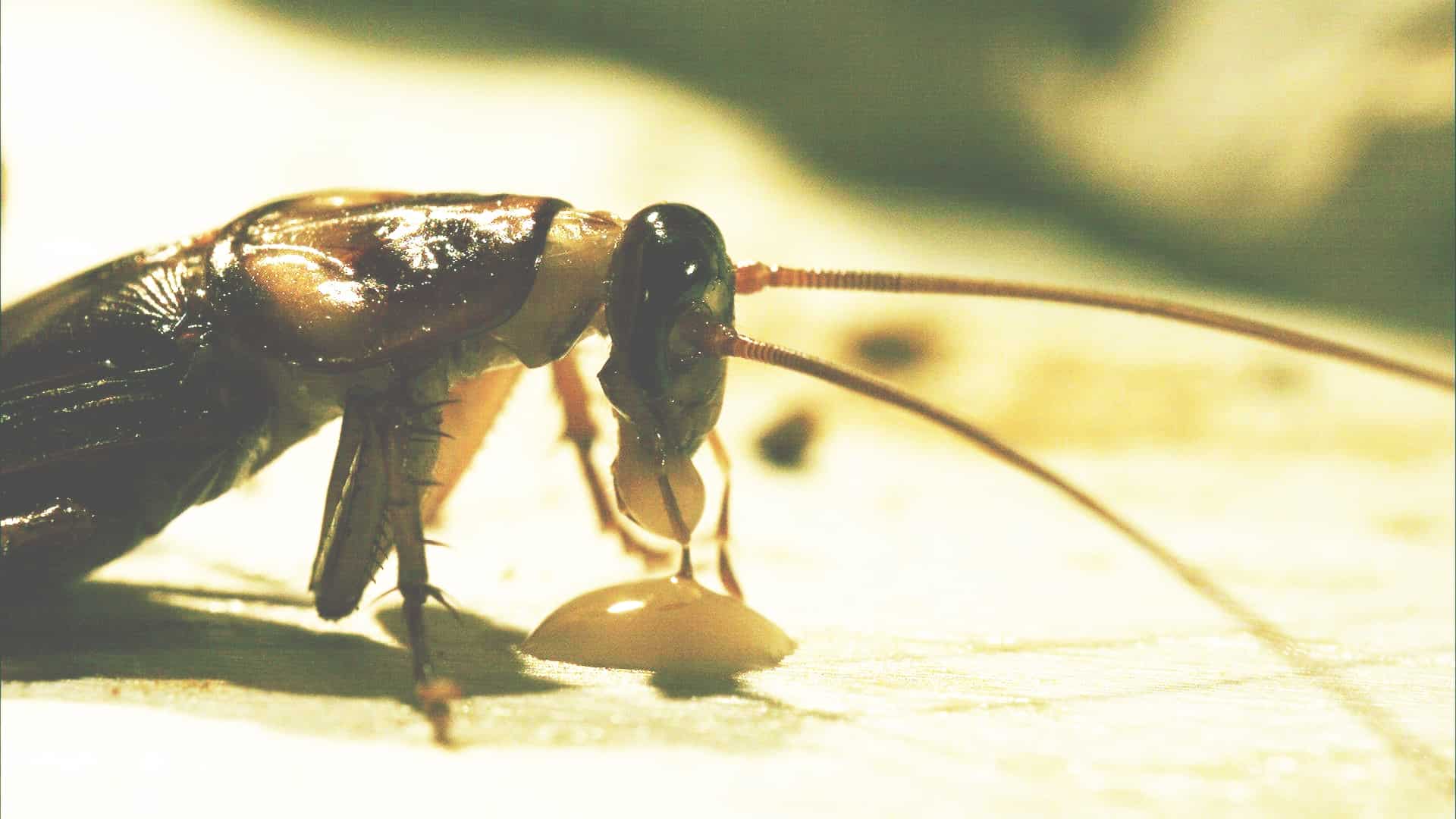
Bait combines a food matrix with an insecticidal active ingredient. Cockroaches must encounter and consume it, so bait is not a long-distance attractant. Many active ingredients act slowly enough for exposed cockroaches to return to harborages. Results depend on species, feeding behavior, resistance, freshness, placement, competing food, and sanitation.
How we compare bait products
We compare the current product label, active ingredient and insecticide group, labeled species and sites, application format, protection from occupants, placement flexibility, resistance guidance, and manufacturer-supported storage information. We do not convert marketing claims into independent test results.
Placement checklist
- Identify the species and map activity with sticky traps.
- Read the full label, including prohibited surfaces and occupant precautions.
- Clean competing food and repair nearby leaks.
- Place bait close to droppings, cracks, appliance edges, and confirmed routes.
- Prefer several small label-compliant placements over one distant placement.
- Do not spray repellent insecticide on or near bait.
- Record consumption and trap counts, then refresh or reposition as directed.
Why bait fails
| Symptom | Likely cause | Correction |
|---|---|---|
| No feeding | Placement is too far away, bait is contaminated, or competing food is abundant | Use traps to relocate fresh bait and improve sanitation |
| Initial decline, then plateau | Hidden source, new introduction, aversion, or resistance | Reinspect, expand monitoring, and consider a different labeled active ingredient |
| Bait disappears but catches remain high | Infestation is larger than expected or neighboring sources continue | Increase coordinated monitoring and obtain professional assessment |
| Gel dries rapidly | Heat, airflow, dust, or poor location | Use fresher protected placements or a suitable enclosed station |
Bait is still a pesticide
Keep it inaccessible to children and pets and away from food, utensils, food-contact surfaces, and electrical shock hazards. Never transfer bait into an unmarked container. The label—not a blog or product listing—is the controlling use instruction.
Frequently asked questions
How long does cockroach bait take to work?
Many baits are intentionally slow acting and can require a week or longer to show meaningful population change. Use trap trends and label guidance rather than expecting every cockroach to disappear overnight.
Can I put gel bait inside electronics?
Do not apply bait in or on electrical equipment where shock risk exists. Target nearby external travel routes and consult the current label and equipment manufacturer.
Should I rotate baits?
Repeated failure can involve resistance or food-matrix aversion. A professional may rotate active ingredients from different insecticide groups as part of a documented program; do not simply combine multiple products.
Sources and disclosure
See our review methodology and affiliate disclosure.
Substantially reviewed and updated: August 2026.
Choose bait by placement and monitoring evidence
| Situation | Often practical | Watch for |
|---|---|---|
| Tight cabinet or appliance cracks | Small gel placements where labeled | Heat, grease, cleaning, drying, and contamination |
| Accessible household area | Protected bait station | Incorrect positioning and access by children or pets |
| Exterior or utility placement | Labeled station or granular formulation | Weather, runoff, non-target exposure, and indoor-use restrictions |
Placement sequence
- Map activity with dated sticky monitors.
- Remove crumbs, grease, open food, and leaks.
- Read the label and select protected sites close to harborages.
- Use the directed amount; more is not automatically better.
- Do not contaminate bait with spray, cleaner, dust, or moisture.
- Inspect and renew according to the label.
- Compare weekly captures and move placements when evidence changes.
Why cockroaches may ignore bait
Common reasons include poor placement, dried or contaminated gel, competing food, an unsuitable formulation, or treatment next to repellent residue. Persistent failure can also involve a wider building source or reduced susceptibility. Reassess rather than repeatedly adding product.
Frequently asked questions
Are bait stations childproof?
A station is a risk-reduction container, not a promise that every child or animal cannot open, chew, or move it. Follow placement and storage directions.
Can different baits be used together?
Do not improvise combinations. Follow each label and consider professional resistance management for persistent infestations.
How many stations do I need?
The product label and monitored distribution determine placement, not a universal room count.
Sources
2026 field review notes
A bait comparison should look beyond brand names to the active ingredient, formulation, station design, placement options, contamination risk, and the monitoring plan used to judge progress.
Verification checklist
- Confirm the species or evidence before choosing treatment.
- Record active rooms and numbered trap counts before and after changes.
- Correct food, water, shelter, and entry conditions that support activity.
- Read and follow the entire product label, including storage and disposal.
- Escalate to a licensed professional when activity spreads or safe access is limited.
Sources and further reading
30-day verification plan
Use the first inspection as a baseline rather than relying on memory. Number every sticky monitor and write down its exact location, the date, the number and life stage of cockroaches captured, and any nearby food, moisture, heat, or structural gap. Recheck the same locations after seven days. A decline across the active traps is more meaningful than a quiet night with no visible insects.
During the second week, correct conditions that the first inspection missed. Clean grease and crumbs in protected edges, repair small leaks or condensation problems, reduce cardboard and clutter, and inspect the routes connecting the active room to adjacent cabinets, plumbing, appliances, or units. Refresh only those treatment placements that the product label allows and that are consumed, contaminated, or no longer usable.
At days 21–30, compare the new map with the baseline. Persistent nymphs, fresh droppings, repeated captures in an adjacent room, or unchanged counts can indicate a missed harborage, unsuitable placement, reinvasion, or the need for coordinated professional service. Continue a few clean monitors after activity appears to stop so a low-level return is detected early.
Questions to record
- Which trap has the highest count, and did that position change?
- Are adults, nymphs, or both being captured?
- Is new evidence appearing after cleaning?
- Can children or pets reach any treatment placement?
- Does the building have a shared wall, pipe chase, trash area, or untreated neighboring unit?
Product options for this treatment role
These links are provided for comparison, not as a substitute for the product label or professional advice.
Cockroach bait formats and gels worth comparing
Compare placement precision, enclosed formats, active ingredients and label restrictions.
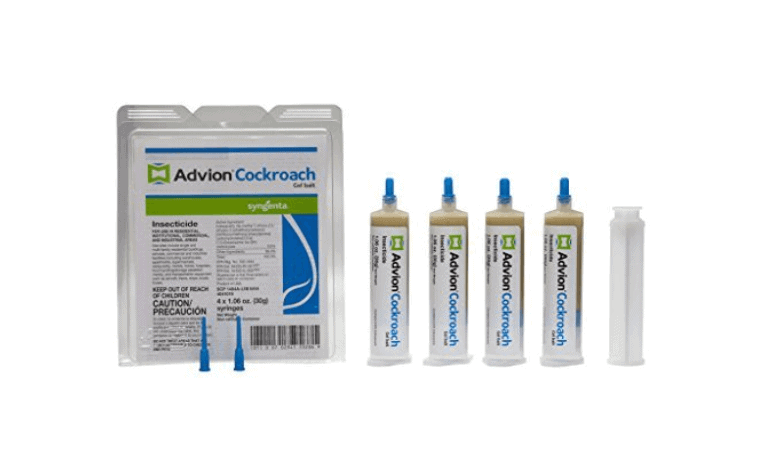
Advion Cockroach Gel Bait
Best for: Targeted gel placements
Flexible small placements near confirmed harborages.
- Flexible crack-and-crevice placementnUseful within an integrated bait plannNo price or rating claims
Know before buying: Keep away from children, pets, food-contact surfaces, and exposed electrical components.
Check current options on Amazon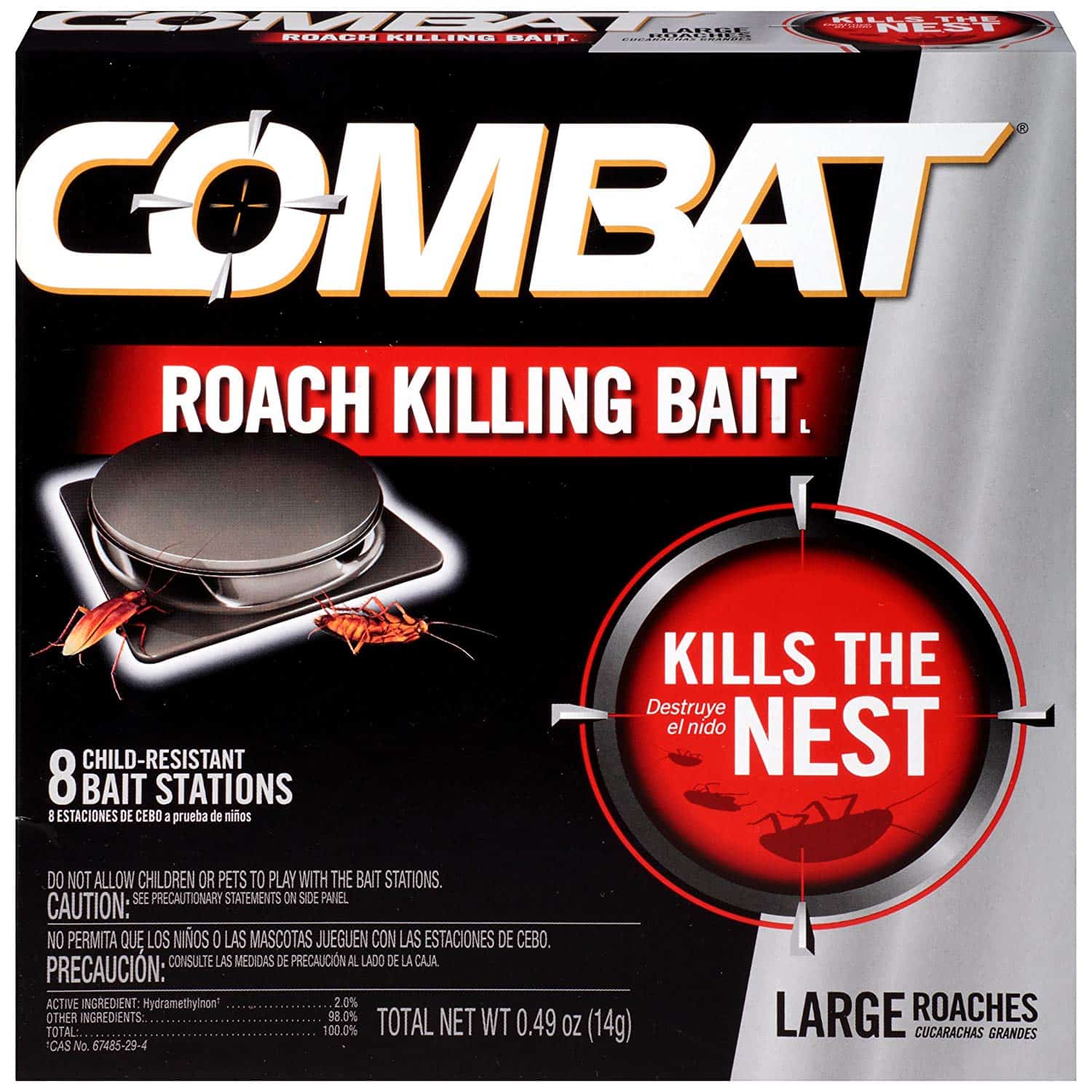
Combat Roach Killing Bait
Best for: Ready-to-place enclosed bait stations
An enclosed consumer bait format for straightforward placement.
- Contained station formatnSimple placementnUseful as one layer of control
Know before buying: The library image shows older packaging; verify the current listing and label.
Check current options on AmazonAlpine Cockroach Gel Bait
Best for: Comparing gel active ingredients and placement options
An alternative gel bait to compare by current label and resistance-management fit.
- Alternative formulationnTargeted placement
Know before buying: Verify exact product identity, package, and label before purchase.
Check current options on AmazonVendetta Plus Cockroach Gel Bait
Best for: Plans that support a combination bait and growth regulator
A combination option to evaluate when the infestation plan and label support it.
- Combination approachnTargeted placement
Know before buying: Confirm the current formulation and permitted sites.
Check current options on Amazon
3 thoughts on “Cockroach Baits Compared: Gel, Stations, and Granules”