
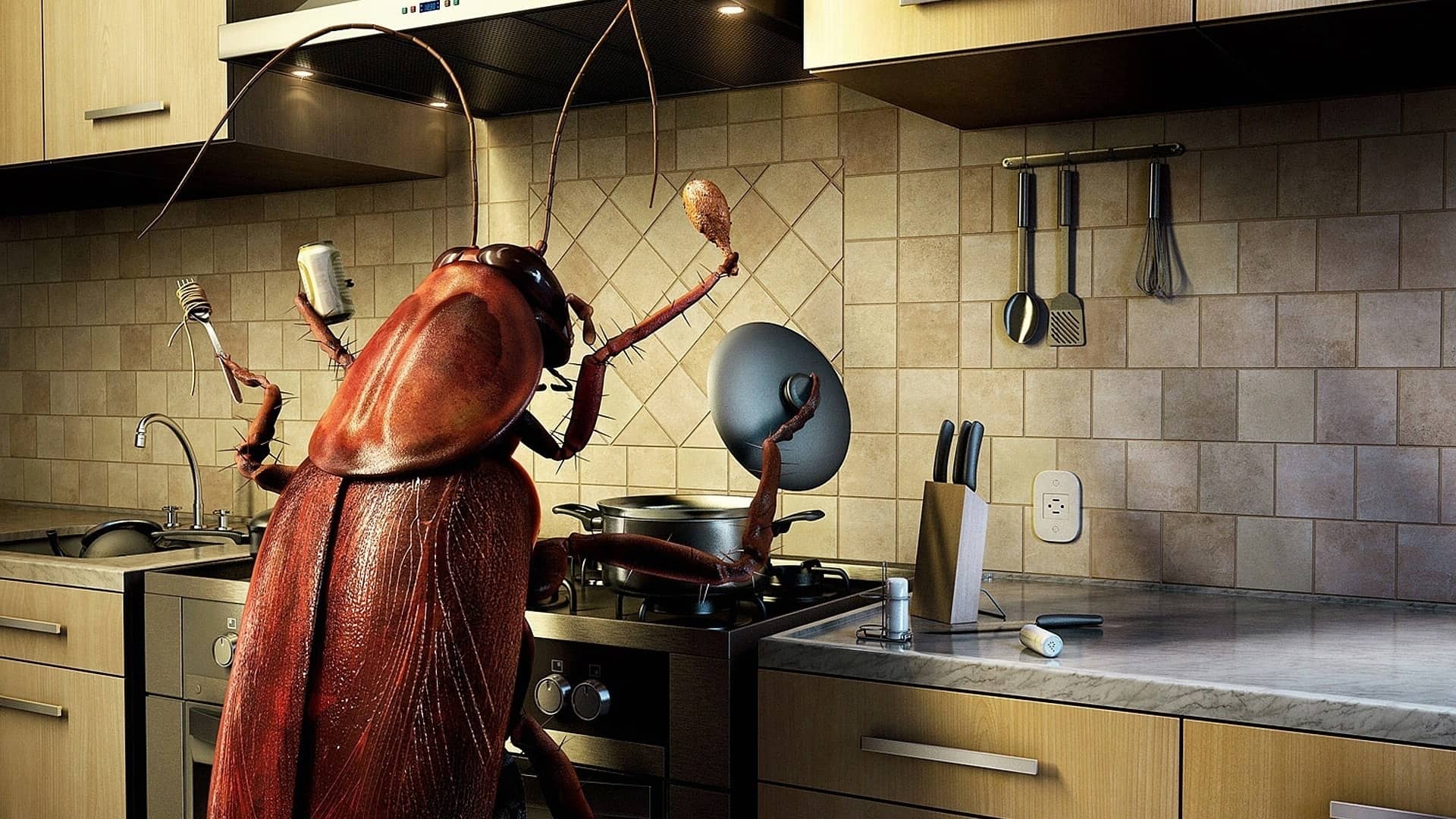
The most reliable way to get rid of cockroaches is to combine monitoring, sanitation, exclusion, and carefully placed bait. Spraying every visible roach may kill a few insects, but it rarely reaches the hidden population or fixes the conditions supporting it.
Quick action plan
- Confirm that the insect is a cockroach and identify the likely species.
- Use sticky traps to map activity before choosing treatment locations.
- Remove food, water, grease, cardboard, and accessible hiding places.
- Place labeled bait close to harborages; do not spray over or beside it.
- Record weekly trap counts and correct the plan if catches stop declining.
Start with a quick inspection
Use a flashlight to inspect under sinks, behind refrigerators and stoves, around plumbing penetrations, inside lower cabinets, and along wall-floor junctions. Look for live or dead cockroaches, pepper-like droppings, brown smears, shed skins, and egg cases. If you are unsure what you found, begin with our cockroach identification guide.
Before you start: supplies and preparation
| Item | Purpose | Important precaution |
|---|---|---|
| Flashlight and small inspection mirror | Find droppings, egg cases, and narrow harborages | Do not reach blindly behind energized equipment |
| Sticky traps or glue boards | Locate and measure activity | Place where children and pets cannot contact the adhesive |
| Vacuum with crevice tool | Remove exposed insects, debris, and food particles | Seal and discard contents outdoors |
| Food containers and trash bags | Remove competing food and clutter | Inspect cardboard before moving it to another room |
| Sealant and appropriate door sweeps | Close travel and entry routes | Do not block required appliance or building ventilation |
| Labeled cockroach bait, if needed | Target established indoor activity | Follow the current label and protect children, pets, and food surfaces |
Safety first
Never apply a pesticide in a location or manner that is not permitted by its label. Do not combine products, transfer bait to an unmarked container, or place pesticides on food-contact surfaces. If a resident has asthma, the CDC advises avoiding sprays and foggers that may trigger an attack.
A practical 7-step cockroach control plan
1. Map the infestation with sticky traps
Place glue boards tight against walls, not in the middle of a room. Good locations include behind appliances, beneath sinks, beside trash storage, and inside cabinet corners. Number each trap, record the date, and compare catches after several nights. Traps reveal where activity is concentrated and give you a baseline for measuring progress.
2. Remove competing food
- Clean crumbs, grease, and spills every evening.
- Do not leave dirty dishes in the sink overnight.
- Store pantry food and pet food in sealed containers.
- Empty indoor trash regularly and keep the bin closed.
- Vacuum debris from appliance edges, cabinet seams, and floor cracks.
Sanitation is not a judgment about housekeeping. Even a clean home can receive cockroaches in packages or from neighboring units. The goal is simply to make bait more attractive and remove resources that allow the population to grow.
3. Eliminate water sources
Repair dripping faucets and leaking drainpipes, dry sinks overnight, empty standing water, and check condensation around refrigerators and air-conditioning equipment. In warm indoor environments, dependable access to moisture can be more important to cockroaches than an obvious food source.
4. Reduce hiding places and entry points
Remove unnecessary cardboard, paper bags, and clutter. Seal gaps around plumbing, cabinets, baseboards, doors, and shared walls with an appropriate sealant. Add door sweeps where daylight is visible beneath exterior doors. In apartments, report gaps, leaks, and activity in shared areas to property management because treating one unit may not solve a building-wide problem.
5. Use bait where cockroaches travel
Gel bait or enclosed bait stations can be effective when placed near harborages and travel routes. Use many small placements rather than one large blob, and follow the product label exactly. Keep bait inaccessible to children and pets. Do not contaminate bait with cleaners or repellent sprays, and do not apply it to food-contact surfaces.
Replace bait if it has been eaten, contaminated, or dried out according to the label. If catches stop declining despite good placement and sanitation, a different labeled active ingredient or professional assessment may be appropriate. See our guide to cockroach bait formats and common bait mistakes.
6. Vacuum accessible cockroaches and debris
A vacuum can quickly remove exposed cockroaches, shed skins, egg cases, and allergen-containing debris. Use a crevice attachment, then seal and discard the vacuum contents outdoors. Vacuuming is a useful cleanup step, but it should accompany monitoring, exclusion, and baiting.
7. Measure progress every week
Check and replace monitoring traps on a consistent schedule. A falling trap count is more meaningful than whether you happen to see one roach on a particular night. Continue sanitation and exclusion after activity declines to reduce the chance of reinfestation.
What progress should look like
| Checkpoint | What to review | What to do next |
|---|---|---|
| First 24–72 hours | Which traps catch cockroaches and which remain empty | Concentrate inspection and small bait placements near the highest catches |
| End of week 1 | Whether catches are falling, stable, or increasing | Correct food, water, placement, or access problems; do not judge slow-acting bait from one night |
| Weeks 2–4 | New nymphs, egg cases, daytime sightings, and room-to-room spread | Refresh monitoring, maintain sanitation, and escalate persistent or expanding activity |
| After control | Occasional catches near doors, plumbing, packages, or shared walls | Continue prevention and investigate the source before a new population establishes |
These checkpoints are for evaluating the plan, not a guarantee that every infestation will end on a fixed schedule. Species, population size, neighboring units, building defects, bait placement, and access to competing food all change the outcome.
Methods to avoid or use with caution
- Foggers and bug bombs: they may not reach cracks where cockroaches hide and can increase unnecessary pesticide exposure. The CDC advises people with asthma to avoid sprays and foggers because they can trigger attacks.
- Random surface spraying: spraying floors, counters, or baseboards without a targeted plan may contaminate surfaces and interfere with bait.
- Homemade pesticide mixtures: unlabelled combinations have uncertain effectiveness and may create exposure risks.
- Ultrasonic devices as the only treatment: do not rely on a device in place of inspection, sanitation, exclusion, monitoring, and a proven control method.
When to call a pest-control professional
Seek professional help if cockroaches remain abundant after several weeks of consistent control, appear throughout the day, occupy multiple rooms or apartments, or are present where food safety or vulnerable occupants are a concern. Ask the provider how they will identify the species, monitor activity, use bait, address entry points, and document follow-up—not simply how often they spray.
Questions to ask a pest-control company
- Which cockroach species did you identify, and where is it harboring?
- How will you monitor the population before and after treatment?
- Which repairs or sanitation conditions need attention?
- Where will products be placed, and what precautions apply to children, pets, food, or asthma?
- What follow-up is included if trap counts do not decline?
Troubleshooting a plan that is not working
| Problem | Likely explanation | Correction |
|---|---|---|
| Bait remains untouched | It is too far from the harborage, contaminated, dried out, or competing with food | Use monitoring results to reposition small placements and remove competing food |
| Catches decline in one room but rise in another | The source or travel route was missed | Expand monitoring to plumbing, shared walls, appliances, and adjacent rooms |
| Only large cockroaches appear occasionally | An outdoor, sewer, drain, or utility-area source may be involved | Confirm the species and inspect exterior, drain, basement, and moisture conditions |
| Nymphs keep appearing | Egg cases or reproducing adults remain close by | Inspect narrow harborages, continue bait and monitoring, and consider professional follow-up |
| Activity returns after shopping or moving items | Cockroaches may be introduced in cardboard, bags, appliances, or belongings | Inspect incoming items and avoid storing unnecessary cardboard |
Frequently asked questions
Can a clean home still have cockroaches?
Yes. Cockroaches can arrive in packages, used appliances, luggage, drains, or neighboring units. Sanitation improves control by removing resources; it does not prove who caused an infestation.
Should I seal every crack before baiting?
Locate active harborages and travel routes first. Sealing too early can make monitoring harder or shift activity. Once the routes are understood and treatment is underway, close structural gaps without blocking required ventilation.
Why do I still see cockroaches after placing bait?
Many baits are slow acting, and hidden nymphs or egg cases can remain. Evaluate weekly trap trends, not a single sighting. Persistent or increasing catches mean placement, sanitation, species identification, neighboring sources, or product choice needs review.
Authoritative resources
- University of California IPM: Cockroaches
- US EPA: Smart Pest Control to Protect Your Health
- CDC: Controlling Asthma Triggers
Substantially reviewed and updated: August 2026. Always follow the current product label and local regulations.
Need help narrowing down the species? Compare the markings, size, habitat, and treatment priorities in our German vs American cockroach guide.
Finding activity near plumbing? Follow the focused inspection and moisture-control steps in our cockroaches in the bathroom guide.
Not sure whether to keep treating it yourself? Use our DIY vs professional cockroach control decision guide to assess severity, risk, and next steps.
Want a repeatable routine? Save our complete cockroach prevention checklist for daily, weekly, monthly, and seasonal tasks.
3 thoughts on “How to Get Rid of Cockroaches: A Practical 7-Step Plan”