
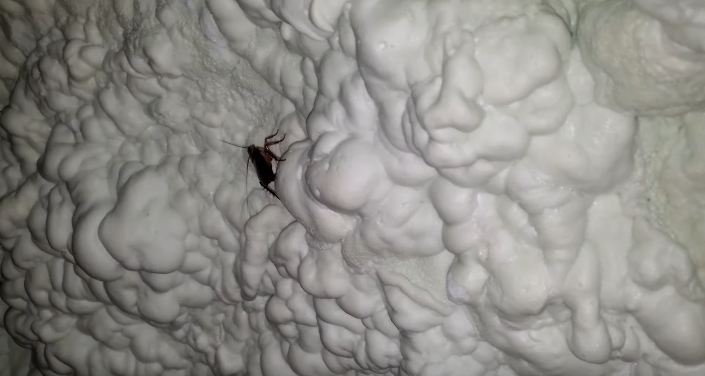
Cockroaches in an attic usually point to an entry route, moisture problem, stored materials, or a species that normally lives outdoors. Identify the insect first, monitor where it travels, correct leaks and openings, and avoid broadcasting pesticide through insulation or air-handling areas.
Attic priorities
- Confirm the species before assuming cockroaches are breeding in the attic.
- Inspect roof, plumbing, HVAC, soffit, vent, and utility penetrations.
- Monitor only on stable solid surfaces where traps can be retrieved.
- Correct leaks and clutter before considering pesticide.
- Protect insulation, ducts, wiring, and required ventilation.
Why cockroaches may appear in an attic
- Gaps at rooflines, soffits, vents, utility penetrations, or attic access points
- Roof or plumbing leaks and condensation near HVAC equipment
- Cardboard boxes, paper, or clutter providing shelter
- Bird or rodent nesting material, debris, or another food source
- Warm equipment and protected wall voids connecting the attic to living areas
A large outdoor-associated cockroach requires a different plan from small German cockroaches reproducing inside stored belongings. Capture a specimen and compare it with our cockroach identification guide.
| Finding | Possible source | Relevant specialist |
|---|---|---|
| Water stain or wet insulation | Roof, plumbing, or condensation leak | Roofer, plumber, or HVAC technician |
| Activity at soffit or roof vent | Damaged screen or exterior entry | Roofer or pest professional |
| Droppings and nesting debris | Rodent, bird, bat, or other wildlife activity | Qualified wildlife professional |
| Small cockroaches in stored boxes | Introduced belongings or indoor-breeding species | Pest professional |
| Activity near ducts or wall voids | Movement between attic and occupied space | Pest professional plus relevant building trade |
Inspection and control plan
- Inspect safely. Use stable access, adequate lighting, protective clothing, and caution around wiring, nails, weak ceiling surfaces, insulation, wildlife, and heat.
- Place monitoring traps. Put glue boards on solid surfaces along edges, near the access hatch, plumbing, stored materials, and suspected entry points.
- Correct water sources. Repair roof or plumbing leaks and have HVAC condensation problems serviced.
- Reduce shelter. Replace unnecessary cardboard with sealed containers and remove debris without spreading it through the home.
- Seal entry points appropriately. Repair screens and gaps while preserving required attic and appliance ventilation.
- Treat only confirmed activity. If using a pesticide, follow its label and keep it away from ducts, air handlers, wiring, and inaccessible broadcast applications.
Avoid contaminating insulation and air systems
Do not scatter loose pesticide dust across attic insulation or apply products into HVAC intakes. Dust can migrate, contact workers, or enter occupied areas. Fogging an attic also does not correct moisture, access points, or hidden harborages. Targeted treatment should follow confirmed identification and the product label.
When to call professionals
Use a qualified roofer, electrician, HVAC technician, or wildlife professional for structural and equipment hazards. Contact a licensed pest professional when the attic is unsafe to enter, activity extends into wall voids or occupied rooms, or repeated catches continue after moisture and access points are corrected.
For indoor activity beyond the attic, follow How to Get Rid of Cockroaches and track progress with sticky traps.
Stop if the attic is unsafe
Do not enter when heat, unstable footing, exposed wiring, suspected asbestos, aggressive wildlife, or respiratory hazards are present. Photograph what you can from a safe access point and call the appropriate professional.
Frequently asked questions
Can cockroaches live in attic insulation?
They can shelter around or beneath insulation when suitable warmth, moisture, food, and access exist. Do not broadcast pesticide through insulation; locate the source and travel routes first.
Should attic vents be sealed?
Required ventilation must remain functional. Repair damaged screening or gaps with materials appropriate to the building design rather than blocking vents.
Sources
Substantially reviewed and updated: August 2026.
Attic sightings often point to a building route
German cockroaches usually concentrate near indoor food and water, so attic activity may indicate movement from another room. Large outdoor-associated species may enter through roof, soffit, vent, tree, or utility gaps. Capture a specimen before choosing treatment.
Safe attic inspection
- Enter only when flooring, lighting, temperature, and access are safe.
- Do not step between joists or compress contaminated insulation.
- Keep away from exposed wiring, junction boxes, HVAC equipment, and wildlife.
- Inspect eaves, vents, pipe penetrations, stored cardboard, roof leaks, and condensation.
- Place monitors on stable accessible surfaces and retrieve them on schedule.
| Evidence | Likely next step |
|---|---|
| Small striped cockroaches and nymphs | Inspect connected kitchens, bathrooms, pipe routes, and wall voids |
| Large adults near soffits or vents | Inspect exterior vegetation, roof gaps, screens, gutters, and moisture |
| Droppings without a specimen | Rule out rodents, bats, and other insects before treatment |
| Wet or damaged insulation | Correct the roof, plumbing, condensation, or ventilation problem |
Control without contaminating insulation
Do not broadcast spray or loose dust across insulation. Use monitoring, source correction, exclusion, and only label-approved targeted placements. Contaminated insulation, electrical hazards, wildlife, or inaccessible eaves may require licensed pest, roofing, electrical, or remediation professionals.
Prevention
Repair vent screens, seal utility penetrations with appropriate fire-safe materials, trim branches from the roof, keep gutters functional, and avoid cardboard storage. Recheck after rain and seasonal temperature changes.
Sources
2026 field review notes
Attic sightings often involve outdoor species, roofline entry, stored cardboard, or warm humid voids. Identify the specimen before applying indoor treatment and inspect soffits, screens, vents, tree contact, and roof penetrations.
Verification checklist
- Confirm the species or evidence before choosing treatment.
- Record active rooms and numbered trap counts before and after changes.
- Correct food, water, shelter, and entry conditions that support activity.
- Read and follow the entire product label, including storage and disposal.
- Escalate to a licensed professional when activity spreads or safe access is limited.
Sources and further reading
30-day verification plan
Use the first inspection as a baseline rather than relying on memory. Number every sticky monitor and write down its exact location, the date, the number and life stage of cockroaches captured, and any nearby food, moisture, heat, or structural gap. Recheck the same locations after seven days. A decline across the active traps is more meaningful than a quiet night with no visible insects.
During the second week, correct conditions that the first inspection missed. Clean grease and crumbs in protected edges, repair small leaks or condensation problems, reduce cardboard and clutter, and inspect the routes connecting the active room to adjacent cabinets, plumbing, appliances, or units. Refresh only those treatment placements that the product label allows and that are consumed, contaminated, or no longer usable.
At days 21–30, compare the new map with the baseline. Persistent nymphs, fresh droppings, repeated captures in an adjacent room, or unchanged counts can indicate a missed harborage, unsuitable placement, reinvasion, or the need for coordinated professional service. Continue a few clean monitors after activity appears to stop so a low-level return is detected early.
Questions to record
- Which trap has the highest count, and did that position change?
- Are adults, nymphs, or both being captured?
- Is new evidence appearing after cleaning?
- Can children or pets reach any treatment placement?
- Does the building have a shared wall, pipe chase, trash area, or untreated neighboring unit?