
Apartment cockroach control works best when residents, property management, maintenance staff, and pest professionals address the building together. Cleanliness inside one unit helps, but it cannot repair shared leaks, seal utility penetrations, or treat activity in neighboring units.
Apartment action summary
- Document sightings, trap catches, leaks, and damaged seals.
- Report the issue to management in writing and retain the record.
- Ask for inspection of adjacent units and shared utility routes when activity persists.
- Prepare the unit according to written instructions; do not move infested belongings room to room.
- Measure results with traps rather than relying only on scheduled spraying.
First: confirm whether it is a cockroach
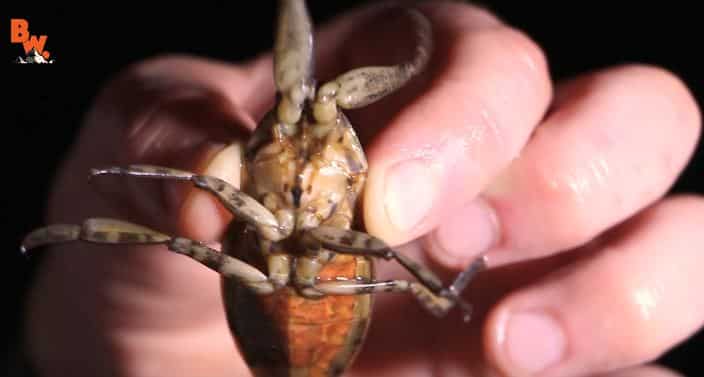
The word “waterbug” can refer to several unrelated insects. Capture a specimen on a sticky trap or take a clear photograph before choosing a treatment. German cockroaches are small, tan, and marked with two dark stripes behind the head; larger American or Oriental cockroaches may be linked to drains, basements, utility areas, or exterior entry points. See What Does a Cockroach Look Like?
What tenants should do
- Document the activity. Record dates, rooms, trap catches, photographs, leaks, and damaged seals.
- Report it promptly in writing. Follow the lease or management reporting process and retain a copy.
- Monitor likely routes. Place sticky traps against walls under sinks, behind appliances, and beside utility penetrations.
- Remove food and water. Seal food, clean spills, close trash, avoid leaving pet food out overnight, and report plumbing leaks.
- Reduce clutter. Remove unnecessary cardboard and paper that provide hiding places.
- Prepare for treatment. Follow the pest professional’s written preparation instructions rather than moving potentially infested items into another room.
What property management should address
- Inspect adjacent units and common areas when evidence suggests movement between apartments.
- Repair leaks and moisture damage.
- Seal openings around pipes, conduits, cabinets, doors, and shared walls.
- Coordinate monitoring and follow-up instead of relying on isolated treatments.
- Keep records of trap counts, findings, repairs, products, and scheduled revisits.
The EPA describes effective pest management in multi-family housing as a team effort. A resident cannot independently correct structural and shared-building conditions, while management needs accurate reports and access to affected units.
Who is responsible for each part?
| Participant | Primary responsibilities | Useful record |
|---|---|---|
| Resident | Report activity, prepare access, manage food/trash, monitor the unit | Dated photos, trap log, maintenance requests |
| Property management | Coordinate access, repairs, adjacent-unit inspection, and follow-up | Work orders and treatment schedule |
| Maintenance | Repair leaks and seal structural/utility openings | Repair notes and before/after photographs |
| Pest professional | Identify species, monitor, select targeted treatment, reassess | Inspection findings, product records, trap trends |
Using bait in an apartment
Where permitted, labeled cockroach bait can be placed in small amounts near confirmed travel routes and harborages. Keep it inaccessible to children and pets, and never apply it to food-contact surfaces. Avoid repellent sprays close to bait. If a contractor is already treating the building, ask before adding another pesticide because uncoordinated products can undermine the plan.
Do cockroaches coming from a drain prove they live in it?
Not necessarily. A cockroach seen near a drain may be using nearby moisture, a pipe chase, or a gap around plumbing. Keep rarely used drain traps filled with water where appropriate, report damaged plumbing, and inspect the surrounding voids. Do not pour pesticide into a drain unless the product label specifically authorizes that use.
When to escalate
Request coordinated professional attention when daytime sightings are frequent, nymphs or egg cases recur, several rooms are affected, trap counts remain high, or cockroaches return after treatment. Local tenant and housing rules differ, so use official local resources if management does not respond to a documented health or maintenance problem.
Information to include in a maintenance request
State the first and most recent sighting dates, affected rooms, whether nymphs or egg cases were found, trap locations and counts, visible leaks or gaps, and any prior treatment. Ask for the inspection scope and follow-up date in writing.
Frequently asked questions
Can cockroaches move between apartments?
Yes. Plumbing penetrations, conduits, shared walls, hallways, and moved belongings can connect units. That is why persistent activity often requires more than treating one apartment.
Should I leave the apartment during treatment?
Follow the product label and the pest professional’s written instructions. Requirements differ by product, application method, occupants, and local rules.
Will moving solve the problem?
Moving without inspecting and isolating belongings can carry cockroaches or egg cases to the new home. Address boxes, appliances, furniture, and other hiding places before transport.
Sources
- US EPA: Resources for Residents of Multi-Family Housing
- US EPA: Pest Control Resources for Housing Managers
- University of Minnesota Extension: Cockroaches
Substantially reviewed and updated: August 2026.
Finding activity near plumbing? Follow the focused inspection and moisture-control steps in our cockroaches in the bathroom guide.
Not sure whether to keep treating it yourself? Use our DIY vs professional cockroach control decision guide to assess severity, risk, and next steps.
Want a repeatable routine? Save our complete cockroach prevention checklist for daily, weekly, monthly, and seasonal tasks.
2026 field review notes
Apartment control succeeds when the resident, property manager, and pest-control provider share evidence and coordinate access. Plumbing chases, shared walls, trash rooms, deliveries, and untreated neighboring units can all influence reinvasion.
Verification checklist
- Confirm the species or evidence before choosing treatment.
- Record active rooms and numbered trap counts before and after changes.
- Correct food, water, shelter, and entry conditions that support activity.
- Read and follow the entire product label, including storage and disposal.
- Escalate to a licensed professional when activity spreads or safe access is limited.
Sources and further reading
30-day verification plan
Use the first inspection as a baseline rather than relying on memory. Number every sticky monitor and write down its exact location, the date, the number and life stage of cockroaches captured, and any nearby food, moisture, heat, or structural gap. Recheck the same locations after seven days. A decline across the active traps is more meaningful than a quiet night with no visible insects.
During the second week, correct conditions that the first inspection missed. Clean grease and crumbs in protected edges, repair small leaks or condensation problems, reduce cardboard and clutter, and inspect the routes connecting the active room to adjacent cabinets, plumbing, appliances, or units. Refresh only those treatment placements that the product label allows and that are consumed, contaminated, or no longer usable.
At days 21–30, compare the new map with the baseline. Persistent nymphs, fresh droppings, repeated captures in an adjacent room, or unchanged counts can indicate a missed harborage, unsuitable placement, reinvasion, or the need for coordinated professional service. Continue a few clean monitors after activity appears to stop so a low-level return is detected early.
Questions to record
- Which trap has the highest count, and did that position change?
- Are adults, nymphs, or both being captured?
- Is new evidence appearing after cleaning?
- Can children or pets reach any treatment placement?
- Does the building have a shared wall, pipe chase, trash area, or untreated neighboring unit?