
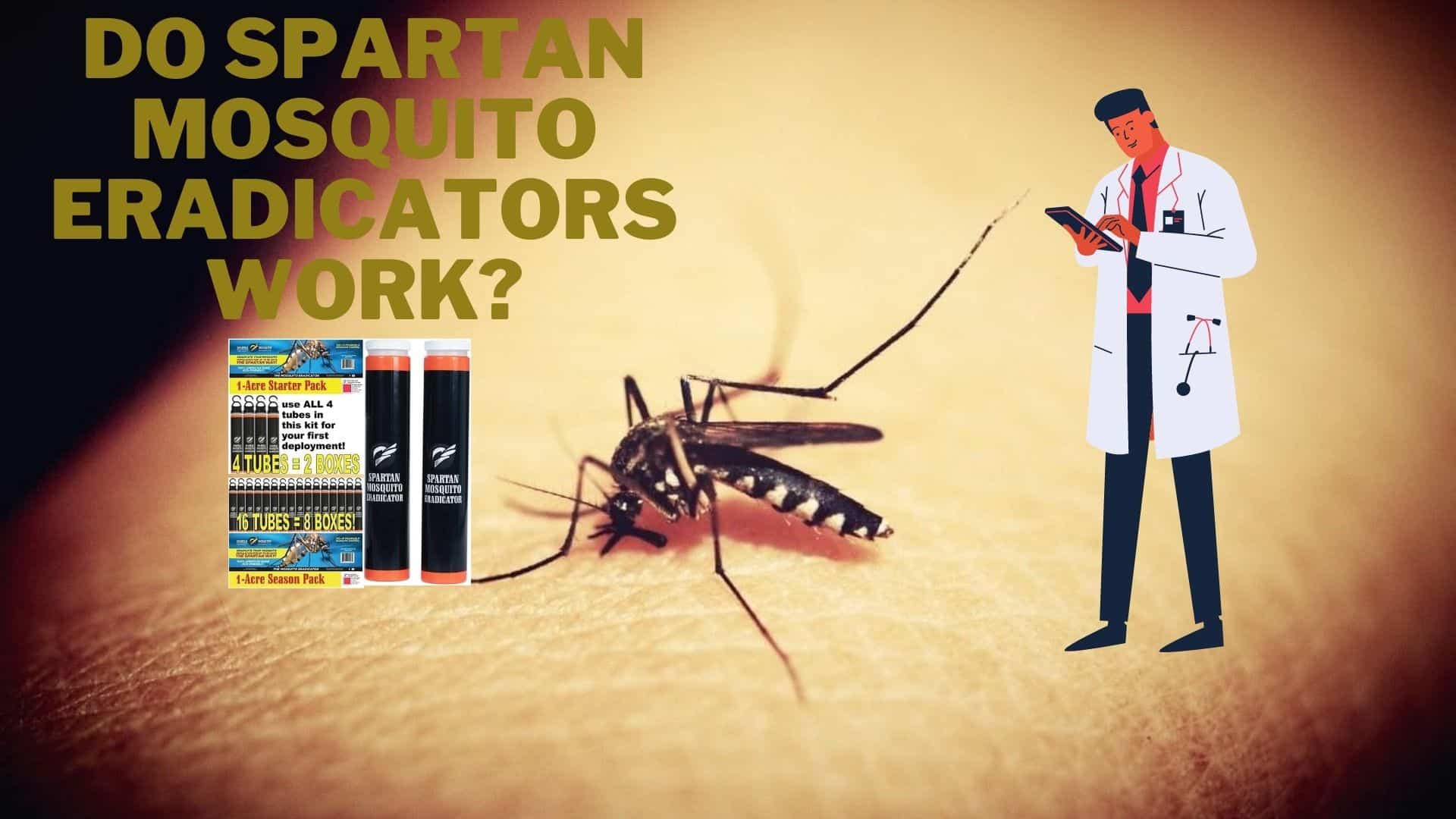
Do not evaluate the Spartan Mosquito Eradicator—or any mosquito device—by testimonials alone. Check the exact current label, EPA registration status where applicable, allowed placement, coverage claim, replacement interval, and evidence for the finished product. Pair any device with bite prevention and breeding-source reduction.
Editorial verdict
This article does not claim independent field testing. The product should be treated as one optional device, not a replacement for EPA-registered skin repellent, screens, protective clothing, standing-water management, or local mosquito-control guidance.
How to assess the product
| Question | Why it matters |
|---|---|
| What exact model and label? | Formulations, claims, and directions can change |
| Is it registered for the location? | Registration and sale requirements vary by product and jurisdiction |
| What species and outcome are claimed? | Attraction, capture, population reduction, and bite prevention are different outcomes |
| What finished-product evidence exists? | Ingredient theory does not prove real-world effectiveness |
| How is success measured? | Adult counts and bite reports fluctuate with weather and season |
| What are the safety and disposal rules? | Placement must protect children, pets, wildlife, and water |
Limits of observational reviews
Fewer mosquitoes after installation may reflect temperature, rainfall, wind, seasonal population changes, neighborhood treatment, or changed outdoor behavior. A useful evaluation compares equivalent periods and uses more than personal impression.
Use only as directed
Follow the current package and label for mixing, activation, distance from occupied areas, mounting, replacement, storage, and disposal. Do not modify ingredients, increase concentration, open sealed components, or place the device near food, play areas, animals, pollinator habitat, or water contrary to instructions.
Build a complete mosquito plan
- Remove water from containers, gutters, covers, toys, and plant saucers at least weekly.
- Maintain screens and doors.
- Use an EPA-registered skin repellent and protective clothing.
- Follow travel and disease guidance from public-health authorities.
- Contact local mosquito control for persistent neighborhood breeding.
- Measure any device over a defined period instead of relying on one evening.
No yard device guarantees protection from mosquito-borne disease. Continue personal bite prevention even when trap or eradicator products are in use.
Alternatives
Source reduction addresses immature mosquitoes; fans can reduce landings in a limited occupied area; professional larval or adult control may be appropriate under local guidance; registered repellents protect exposed people. Each method has a different objective.
Frequently asked questions
Does the product replace repellent?
No. Use personal protection appropriate to the disease risk and activity.
How quickly should it work?
Use only the timeframe stated on the current label and evaluate against weather and seasonal changes.
Can it be modified for stronger results?
No. Do not alter a pesticidal or attractant device beyond its instructions.
A fair product-claim evaluation
Check the current package and official registration databases for the exact model and state where it will be used. Registration, where required, concerns legal sale and labeling; it should not automatically be interpreted as independent proof that every marketing claim is effective. Look for replicated field evidence with meaningful mosquito outcomes and a suitable comparison group.
Questions to ask before purchase
- Which mosquito species and life stage is targeted?
- What area, density, placement, and maintenance were tested?
- Were biting rates or adult populations measured over time?
- Who funded the study, and is the complete method available?
- What refund terms apply if results are not measurable?
Use traps or devices only as one layer. Container removal, screens, clothing, registered skin repellents, and local vector-control guidance remain more dependable foundations. If disease risk is elevated, follow current public-health advice rather than relying on a single consumer product.
Sources
Ongoing monitoring
Review the yard at dawn or dusk to locate biting zones and adult resting areas, then repeat the container inspection after rain. Coordinate with neighbors where shared drains, neglected containers, or vacant property sustain breeding. A local mosquito-control program can identify regional species, surveillance findings, and appropriate community measures that a household product cannot replace.