
Cockroach repellents may change where insects travel for a short time, but they rarely eliminate an infestation. Essential-oil odors, ultrasonic devices, plug-ins, and home remedies do not remove egg cases, food, water, or hidden harborages. A reliable plan uses identification, monitoring, sanitation, moisture correction, exclusion, and targeted bait or professional treatment.
Editorial verdict
Do not make repellents the foundation of cockroach control. At best, some products may temporarily discourage activity in a limited area. At worst, they waste time, add exposure, interfere with bait, or push cockroaches into harder-to-monitor spaces.
What “repellent” actually means
A repellent is intended to discourage a pest from entering, remaining in, or crossing a treated area. Repellency is not the same as killing, removing a breeding population, or preventing reinfestation. If cockroaches still have access to food, water, warmth, and protected cracks, moving them a few feet does not solve the source.
Common cockroach repellent options compared
| Option | Main limitation | Practical concern |
|---|---|---|
| Essential oils and scented sprays | Concentration and duration vary; evidence for household elimination is limited | Can irritate people or pets, damage surfaces, and contaminate bait |
| Ultrasonic plug-ins | Sound does not remove harborages, eggs, food, or water | Marketing claims may be broader than reliable evidence |
| Mothballs | Designed for labeled uses in sealed storage, not open-room cockroach control | Vapors can create exposure; off-label use is unsafe |
| Dryer sheets and household odors | No dependable whole-infestation control | May mask odor while delaying effective action |
| Repellent pesticide sprays | May kill contacted insects but miss protected harborages | Can disperse activity or reduce bait acceptance near placements |
| Exclusion and habitat changes | Requires inspection and maintenance | Addresses entry routes and resources rather than relying on odor |
Essential oils and “natural” repellents
Peppermint, citrus, eucalyptus, tea tree, cedar, and other strong odors are frequently promoted online. Laboratory observations or short-term avoidance do not automatically translate into dependable control in a kitchen, apartment, or wall void. Formulation, concentration, evaporation, surface type, and the availability of alternative routes all matter.
“Natural” does not mean harmless. Concentrated oils may irritate skin or airways, be hazardous to pets, stain materials, or create risk when swallowed. Never improvise a pesticide mixture. If a product makes pesticidal claims, follow its registered label and keep it away from food-contact surfaces, children, pets, and sensitive occupants.
Do ultrasonic pest repellers work for cockroaches?
Ultrasonic devices emit high-frequency sound and are marketed for various pests. Even if cockroach behavior changes near a device, the unit does not seal plumbing gaps, remove crumbs, dry leaks, eliminate egg cases, or deliver a lethal treatment into harborages. Room layout, walls, cabinets, and furniture also affect sound distribution.
The U.S. Federal Trade Commission has previously warned sellers that pest-control claims require scientific support. Treat broad promises such as whole-home elimination, permanent protection, or results against many unrelated pests with caution.
Why repellent sprays can conflict with bait
Bait works only when cockroaches encounter and feed on it. Spraying strong cleaners, aerosols, essential oils, or repellent insecticides near bait placements can make the area less attractive or redirect travel away from the bait. Follow both labels and do not combine methods simply because they are sold separately.
Map activity first, then place small amounts of an appropriately labeled bait close to harborages in dry, protected locations. See our gel, station, and granular bait comparison.
Better ways to keep cockroaches out
- Seal entry routes: repair door sweeps, screens, pipe penetrations, and cabinet or baseboard gaps.
- Control moisture: repair leaks, dry sinks, ventilate bathrooms, and address condensation.
- Remove food: clean grease and crumbs, seal dry goods, and manage pet food and trash.
- Reduce hiding places: remove cardboard and clutter, especially near warm appliances and plumbing.
- Inspect incoming items: check deliveries, grocery cartons, used appliances, and moving boxes.
- Monitor: use dated sticky traps along edges to detect activity before it spreads.
Use the complete cockroach prevention checklist for daily, weekly, monthly, and seasonal tasks.
Safety note: Do not use mothballs, outdoor pesticides, concentrated essential oils, or homemade chemical mixtures in living spaces as improvised cockroach repellents. Use products only for sites and methods listed on their labels.
How to evaluate a repellent claim
- Does the claim describe temporary avoidance or actual population control?
- Is the product labeled for cockroaches and the exact location where it will be used?
- Is evidence based on the finished product or only one ingredient under laboratory conditions?
- Does the seller disclose limitations, room coverage, and required supporting actions?
- Could the method interfere with bait, expose occupants, or push insects into adjoining rooms?
- How will success be measured with monitoring rather than isolated sightings?
When a repellent may have a limited role
A labeled repellent can sometimes be part of an exclusion strategy for a specific entry point or temporary situation, but it should not replace source correction. In apartments, redirecting cockroaches from one unit may worsen movement through shared walls. Coordinate with management and treat connected harborages.
When to skip repellents and escalate
Move directly to a structured control program when nymphs or egg cases are present, cockroaches appear during the day, monitors capture insects in multiple rooms, activity continues after sanitation, or a shared building system is involved. Start with our seven-step control plan or use the DIY vs professional guide.
Frequently asked questions
What smell do cockroaches hate most?
There is no household odor that reliably eliminates a cockroach population. Avoidance can vary and fade as an odor evaporates. Focus on removing resources and treating harborages.
Will peppermint oil keep cockroaches away?
It may produce short-term avoidance under some conditions, but it is not a dependable infestation treatment. Concentrated oils also require safety precautions around people, pets, and surfaces.
Do plug-in repellents work through walls?
Do not assume ultrasound passes effectively through walls, cabinets, appliances, or furniture. More importantly, sound does not remove the conditions or hidden population sustaining an infestation.
Can repellents prevent cockroaches in luggage or moving boxes?
Inspection, sealed containers or bags, laundering suitable items, removing cardboard, and monitoring are more dependable than adding a scent. Avoid applying pesticides to clothing or personal items unless the label permits it.
Sources and further reading
- University of California Statewide IPM Program: Cockroaches
- U.S. EPA: Pesticide Devices—A Guide for Consumers
- U.S. Federal Trade Commission: Ultrasonic Pest-Control Claims
Product options for this treatment role
These links are provided for comparison, not as a substitute for the product label or professional advice.
Better-supported alternatives to repellent-only plans
Compare monitoring and bait roles instead of relying on scent or ultrasonic claims.
Catchmaster Insect Monitoring Traps
Best for: Locating activity and comparing counts over time
Adhesive monitors help identify active harborages and measure whether a control plan is improving.
- Pesticide-free monitoring role
- Useful under sinks and near appliances
- Makes progress measurable
Know before buying: Place where children and pets cannot contact the adhesive and inspect on a regular schedule.
Check monitoring-trap optionsBlack Flag Roach Motel Traps
Best for: Monitoring and trapping in protected indoor locations
A covered adhesive trap format used to detect and capture crawling insects.
- Covered adhesive area
- No spray application
- Useful for monitoring locations
Know before buying: Treat trap counts as monitoring evidence, not proof that the infestation is eliminated.
Compare covered trap options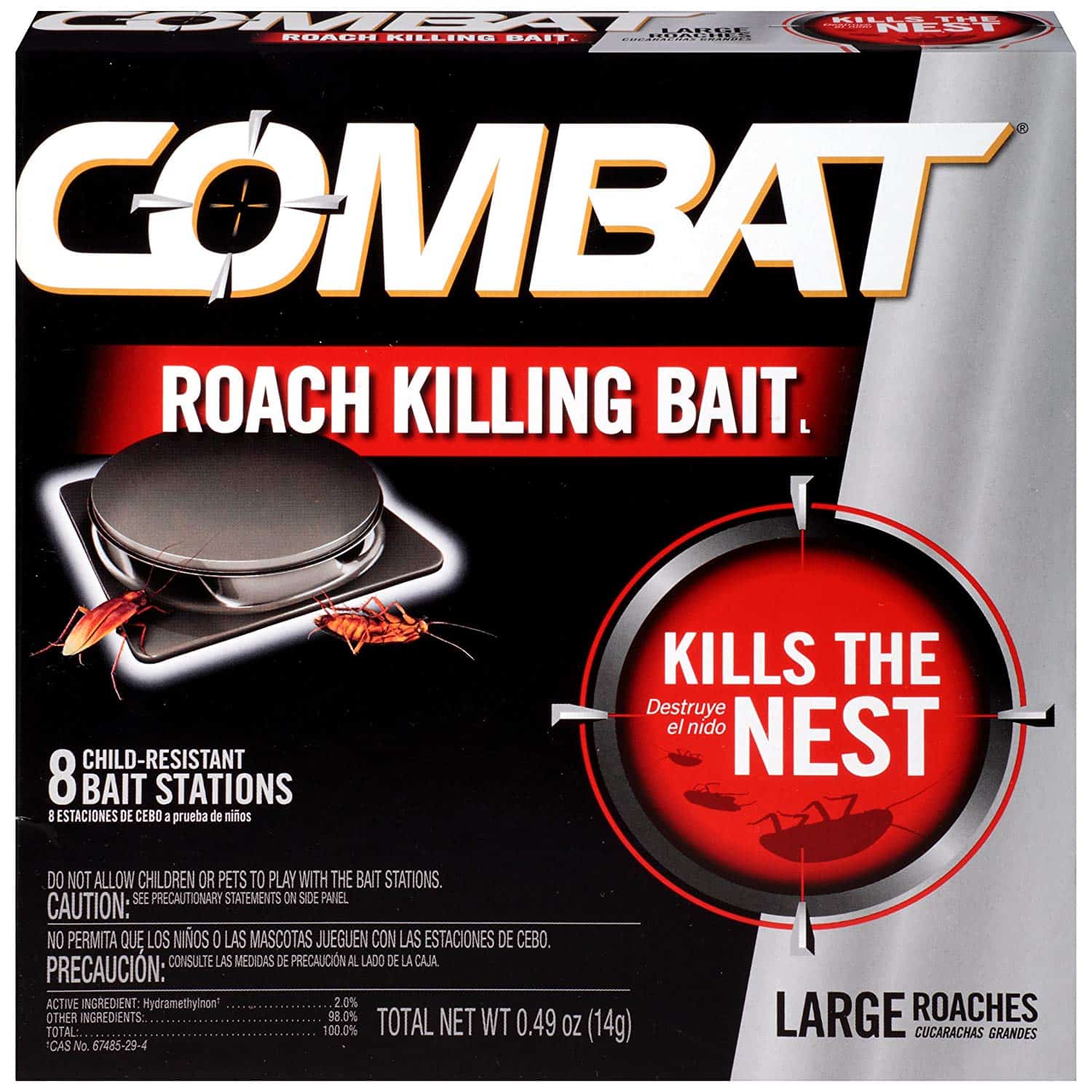
Combat Roach Killing Bait
Best for: Ready-to-place enclosed bait stations
An enclosed consumer bait format for straightforward placement.
- Contained station formatnSimple placementnUseful as one layer of control
Know before buying: The library image shows older packaging; verify the current listing and label.
Check current options on Amazon