
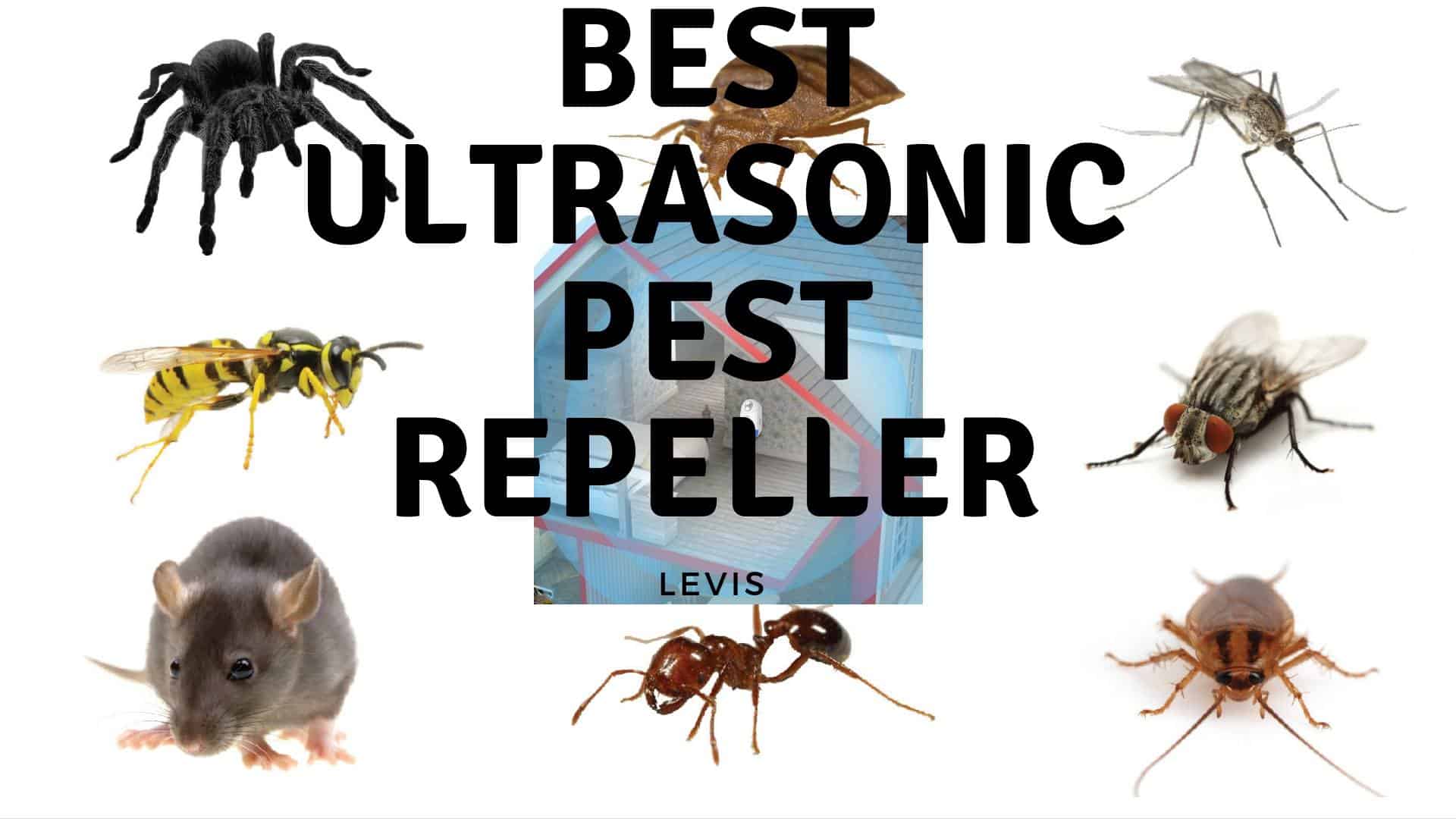
Ultrasonic pest repellers should not be relied on as the main control for rodents, cockroaches, ants, mosquitoes, or other household pests. Even if behavior changes close to a device, sound does not remove food, water, nests, eggs, entry gaps, or breeding sources. Marketing claims should be supported by evidence for the finished device and target pest.
Editorial verdict
Do not purchase an ultrasonic unit instead of inspection, monitoring, sanitation, exclusion, traps, bait, or professional treatment. If testing a device, use objective before/after monitoring and keep proven controls in place.
How the claim is supposed to work
Devices emit high-frequency sound intended to disturb or repel pests. Real rooms contain walls, cabinets, furniture, curtains, appliances, and open doors that absorb, reflect, or block sound. Different pests also sense and respond to vibration or sound differently.
Evidence questions
| Claim | What evidence should show |
|---|---|
| Whole-home coverage | Performance through realistic rooms and obstructions, not only open chambers |
| Works on many pests | Separate controlled evidence for each species |
| Permanent control | Population reduction after acclimation, not short-term movement |
| Safe for pets | Species-specific frequency and exposure evaluation |
| Independent testing | Methods, controls, sample size, duration, and replicable outcomes |
Potential practical problems
- Pests may move to untreated rooms or deeper voids.
- Occupants may delay exclusion and source correction.
- Coverage can be blocked by ordinary furnishings.
- Pet species may hear frequencies people cannot.
- Clicks, indicator lights, and power use can be mistaken for pest control.
How to test without fooling yourself
- Record baseline trap captures or other evidence for two weeks.
- Keep sanitation and monitoring unchanged.
- Install the unit exactly as directed.
- Compare equivalent periods and locations.
- Account for weather, season, and other treatments.
- Stop if animal or occupant effects occur.
Do not place ultrasonic devices near pet enclosures without species-specific veterinary guidance. Never use a plug-in with damaged wiring, near water, or contrary to electrical instructions.
Better alternatives
For rodents use exclusion and traps; for cockroaches use monitoring, sanitation, moisture repair, and bait; for insects entering outdoors repair screens and doors; for mosquitoes reduce breeding water and use registered personal repellent.
Evidence checklist before buying
Separate a plausible mechanism from proof of household control. Look for independent field testing on the same pest, device frequency, room layout, distance, and duration. Testimonials, laboratory startle responses, or a claim that pests can hear the signal do not demonstrate sustained removal from a furnished building.
- Check whether the claim names the pest and realistic coverage area.
- Ask whether walls, furniture, insulation, and outdoor background sound were represented.
- Look for population outcomes, not only short-term movement.
- Confirm return policy, power consumption, audible noise, and effects on pets kept near the unit.
- Reject claims that eliminate the need for sanitation, exclusion, monitoring, or treatment of breeding sites.
A practical 30-day evaluation
Before installation, count captures, droppings, sightings, or damage for seven days with monitors in fixed locations. Make no simultaneous control changes if the goal is to test the device. Record weekly results and compare like-for-like locations. If activity does not decline meaningfully, discontinue the trial and redirect the budget to inspection and source control. Where health, wiring, food contamination, or structural damage is involved, do not delay proven action for a device trial.
Better alternatives by pest
| Pest | More dependable first actions |
|---|---|
| Rodents | Seal entry points, remove food, place appropriate traps along travel routes |
| Cockroaches | Monitor, clean food and water sources, use targeted baits and crack treatment |
| Mosquitoes | Empty standing water and use registered personal repellents |
| Wildlife | Species identification, humane exclusion, durable repair, local legal guidance |
Sources
Ongoing monitoring
Recheck the home after any device trial. New droppings, gnawing, allergen debris, food contamination, or daytime pest sightings call for prompt source-based control. Save the model number and advertised claims in case performance or safety concerns must be reported. Device placement must never block exits, overheat an outlet, create a trip hazard, or interfere with hearing and safety equipment.
Visitor Rating: 4 Stars
Visitor Rating: 4 Stars
Visitor Rating: 5 Stars
Visitor Rating: 4 Stars
Visitor Rating: 4 Stars
Visitor Rating: 1 Stars
Visitor Rating: 3 Stars
Visitor Rating: 4 Stars
Visitor Rating: 4 Stars
Visitor Rating: 4 Stars
Visitor Rating: 2 Stars
Visitor Rating: 1 Stars
Visitor Rating: 5 Stars
Visitor Rating: 3 Stars
Visitor Rating: 3 Stars
Visitor Rating: 4 Stars
Visitor Rating: 2 Stars
Visitor Rating: 5 Stars
Visitor Rating: 4 Stars
Visitor Rating: 2 Stars
Visitor Rating: 3 Stars
Visitor Rating: 3 Stars
Visitor Rating: 5 Stars
Visitor Rating: 4 Stars
Visitor Rating: 3 Stars
Visitor Rating: 5 Stars
Visitor Rating: 2 Stars
Visitor Rating: 3 Stars
Visitor Rating: 3 Stars