
Bottom line
Cockroach powders and insecticidal dusts are precision tools for suitable dry cracks and voids—not products to scatter throughout a room. The best choice depends on the active ingredient, label, application site, occupants, moisture, and whether cockroaches cross the deposit.
Dust types compared
| Type | General action | Key limitation |
|---|---|---|
| Boric acid pesticide dust | Transferred to the insect and ingested during grooming | Requires a light dry deposit and label-authorized placement |
| Silica-based desiccant dust | Damages the protective wax layer and promotes water loss | Airborne dust and exposed deposits require strict control |
| Diatomaceous-earth pesticide product | Physical desiccant action | Use only a registered pest-control formulation; avoid inhalation and wet sites |
| Dust with conventional insecticide | Ingredient-specific toxic action | Site, resistance, exposure, and professional-use restrictions vary |
Selection criteria
- The target includes the identified cockroach species.
- The label permits the exact indoor or outdoor site.
- The void is dry and inaccessible to occupants.
- The applicator can deliver a controlled light deposit.
- The dust will not enter HVAC, electronics, food, toys, bedding, or aquariums.
- The program includes traps and follow-up rather than relying on residue alone.
Why overapplication fails
Thick visible lines and piles are unnecessary, easier for cockroaches to avoid, and more likely to be disturbed. Dust should not resemble a barrier of flour. Follow the label’s amount and application equipment; if you cannot reach a void without contaminating open surfaces, use another method or a licensed professional.
“Food grade” is not a use instruction
A material marketed for another purpose is not automatically appropriate as an indoor pesticide. Use a registered product labeled for the pest and site. Avoid breathing dust and prevent access by children and animals.
Dust vs. bait
Bait is consumed as food and is often the primary pesticide tool for indoor cockroach infestations. Dust depends on contact and grooming and can complement treatment in protected voids. Keep either method within its label and avoid contaminating bait placements.
Frequently asked questions
Can I put cockroach powder under every appliance?
Only if the product label permits that site and the deposit remains controlled and inaccessible. Do not place dust in electrical equipment or where airflow and cleaning will spread it.
Does dust stop working when wet?
Moisture can reduce the performance of many dusts and cause clumping or migration. Repair the water source and follow product-specific directions.
Sources
Substantially reviewed and updated: August 2026.
Dust types are not interchangeable
Cockroach dust products may use boric acid, silica-based desiccants, diatomaceous earth, or other labeled active ingredients. Their action, required amount, site restrictions, protective equipment, and cleanup differ. Select the finished registered product and label—not a generic ingredient name.
| Placement quality | Characteristics |
|---|---|
| Better | Thin, dry, protected, close to confirmed activity, inaccessible to occupants |
| Poor | Visible piles, wet surfaces, counters, open floors, pet routes, vents, or energized equipment |
Application and exposure control
- Inspect and monitor before opening the product.
- Remove food and sensitive items.
- Use only label-specified application equipment.
- Prevent airborne drift and exposed residue.
- Keep dust out of drains, HVAC, electronics, and wet locations unless expressly allowed.
- Clean accidental deposits using label directions.
- Store the container sealed, labeled, and locked away.
Dust is not harmless because it is dry. Fine particles can irritate eyes and airways and can be tracked or groomed from paws. Avoid loose household-grade powders or food-grade products that are not labeled for cockroach control at the intended site.
Dust, bait, or spray?
Dust can remain useful in protected dry voids; bait provides targeted ingestion near harborages; spray may kill direct contacts but can create residue and bait conflict. The methods should be selected by inspection and label compatibility. See boric acid placement and safety and the bait comparison.
Frequently asked questions
Can I dust an electrical outlet?
Only when the label permits the exact site and power/equipment safety is addressed. Do not improvise around energized components.
Does a thick layer work faster?
No. Heavy deposits may be avoided and create unnecessary exposure. Apply only the directed amount.
Will dust control egg cases?
Do not rely on it to penetrate hidden intact egg cases. Continue monitoring for nymph emergence.
Sources
2026 field review notes
Dust selection and placement require particular care around air movement and respiratory exposure. Use the correct registered product, keep deposits inaccessible, and never assume that a household or food-grade material is automatically appropriate as a pesticide.
Verification checklist
- Confirm the species or evidence before choosing treatment.
- Record active rooms and numbered trap counts before and after changes.
- Correct food, water, shelter, and entry conditions that support activity.
- Read and follow the entire product label, including storage and disposal.
- Escalate to a licensed professional when activity spreads or safe access is limited.
Sources and further reading
30-day verification plan
Use the first inspection as a baseline rather than relying on memory. Number every sticky monitor and write down its exact location, the date, the number and life stage of cockroaches captured, and any nearby food, moisture, heat, or structural gap. Recheck the same locations after seven days. A decline across the active traps is more meaningful than a quiet night with no visible insects.
During the second week, correct conditions that the first inspection missed. Clean grease and crumbs in protected edges, repair small leaks or condensation problems, reduce cardboard and clutter, and inspect the routes connecting the active room to adjacent cabinets, plumbing, appliances, or units. Refresh only those treatment placements that the product label allows and that are consumed, contaminated, or no longer usable.
At days 21–30, compare the new map with the baseline. Persistent nymphs, fresh droppings, repeated captures in an adjacent room, or unchanged counts can indicate a missed harborage, unsuitable placement, reinvasion, or the need for coordinated professional service. Continue a few clean monitors after activity appears to stop so a low-level return is detected early.
Questions to record
- Which trap has the highest count, and did that position change?
- Are adults, nymphs, or both being captured?
- Is new evidence appearing after cleaning?
- Can children or pets reach any treatment placement?
- Does the building have a shared wall, pipe chase, trash area, or untreated neighboring unit?
Product options for this treatment role
These links are provided for comparison, not as a substitute for the product label or professional advice.
Dust, tablet and monitoring options to compare
Match formulation and placement to the current label and the actual harborage.
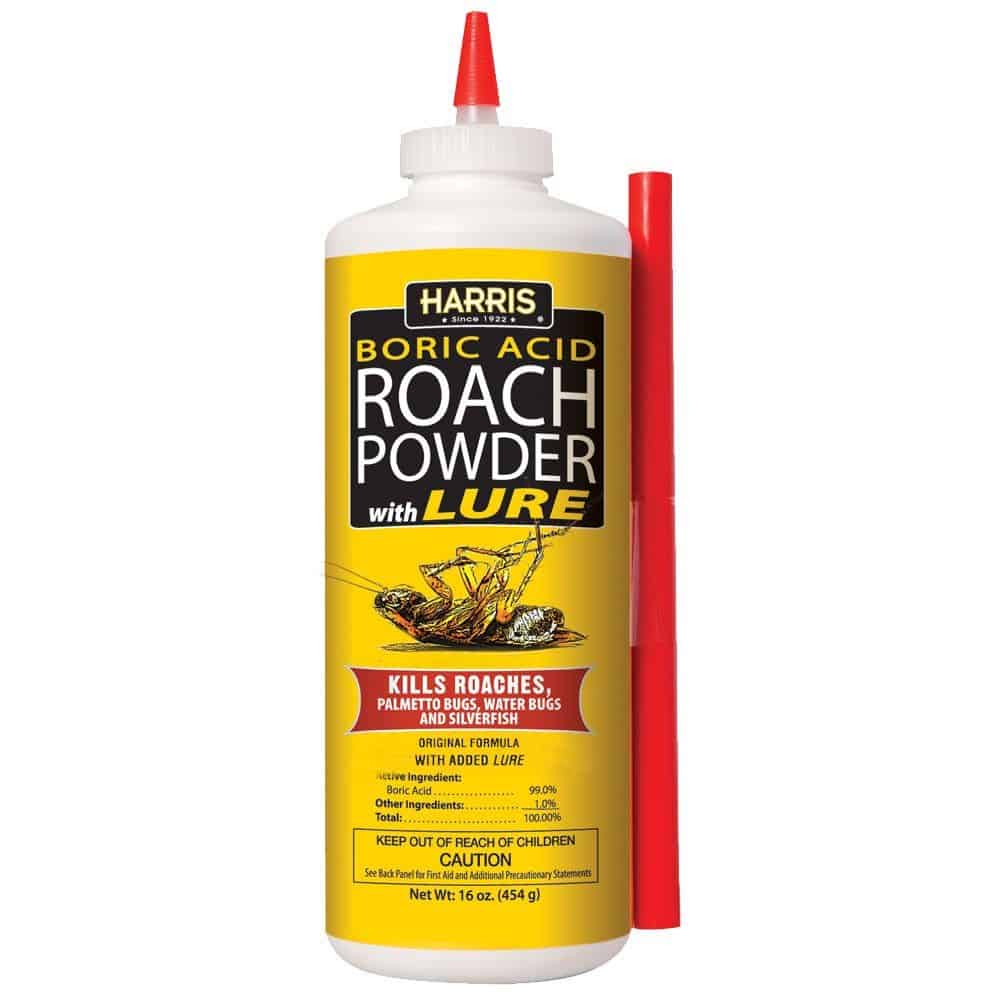
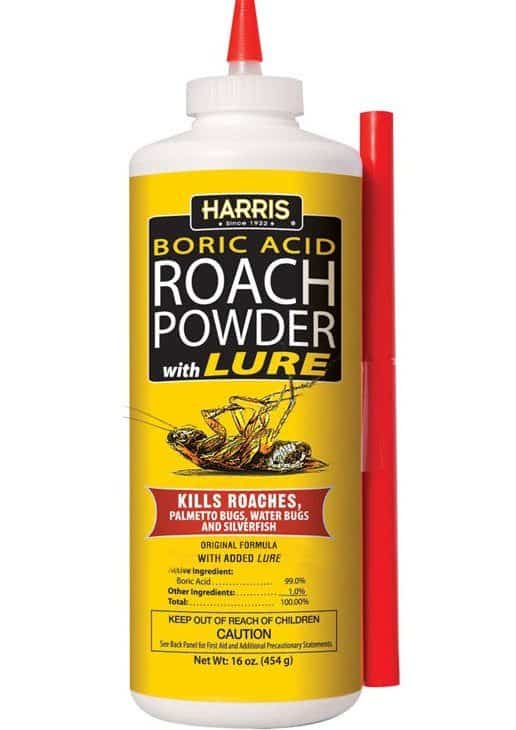
Harris Boric Acid Roach Powder
Best for: Dry, inaccessible, label-permitted cracks and voids
A boric-acid dust example for precise, low-visibility application.
- Long-lasting when kept drynLow-volume targeted usenUseful for selected voids
Know before buying: Apply only as the current label directs; do not leave exposed piles.
Check current options on AmazonHarris Famous Roach Tablets
Best for: Comparing tablet bait with stations, gel and dust
A tablet-format cockroach product that must be placed only as its current label allows.
- No gel applicator
- Easy to count placements
- Useful format comparison
Know before buying: Do not use exposed pesticide tablets where children, pets or food can contact them. Follow the current label.
Check current tablet optionsCatchmaster Insect Monitoring Traps
Best for: Locating activity and comparing counts over time
Adhesive monitors help identify active harborages and measure whether a control plan is improving.
- Pesticide-free monitoring role
- Useful under sinks and near appliances
- Makes progress measurable
Know before buying: Place where children and pets cannot contact the adhesive and inspect on a regular schedule.
Check monitoring-trap options