
Bottom line
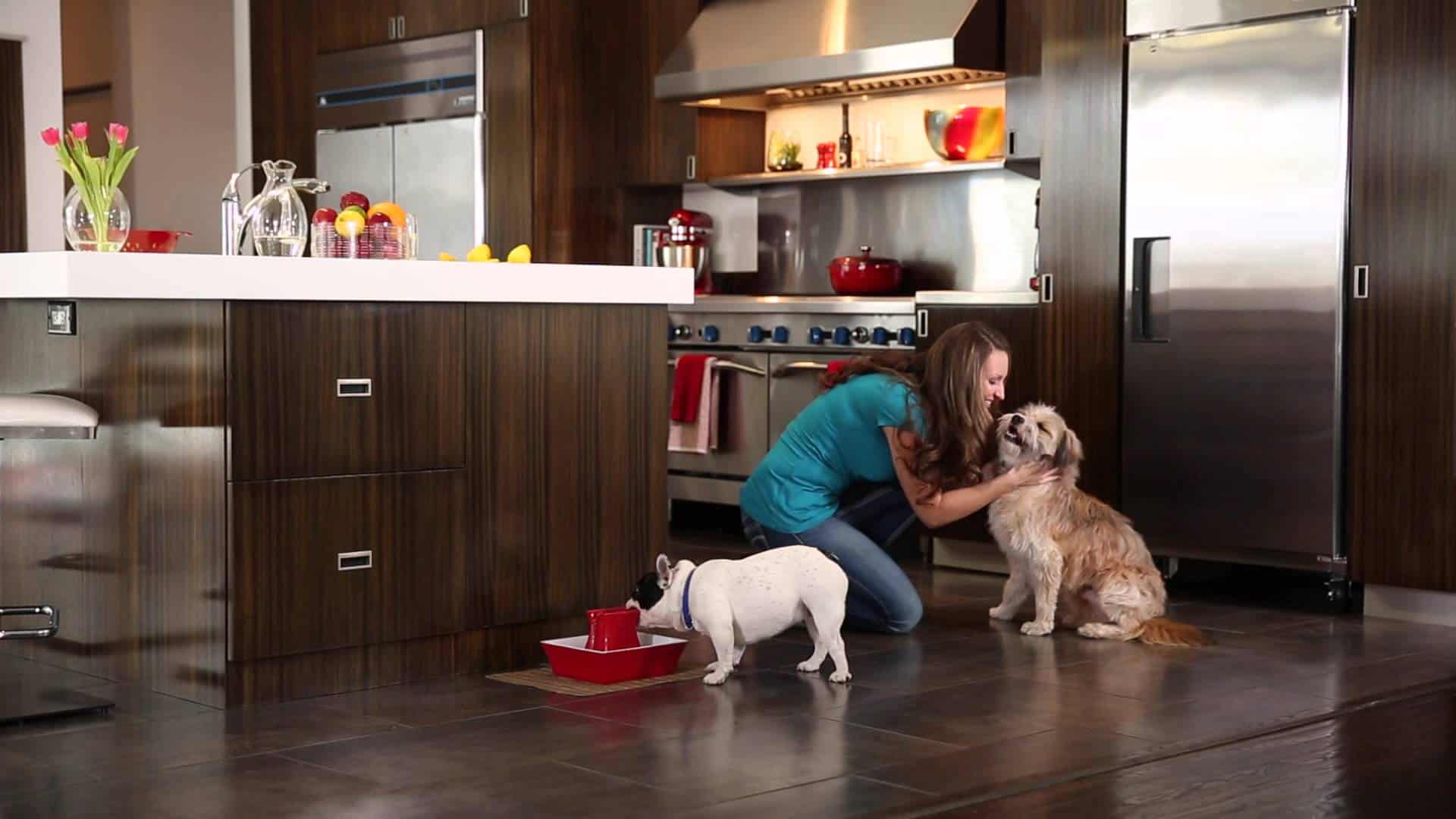
There is no pesticide that is automatically “pet safe” in every dose, location, and species. Pet-conscious cockroach control starts with traps, sanitation, leak repair, exclusion, and inaccessible targeted treatment selected from the label. Enclosed bait stations may reduce access compared with exposed material, but they still require correct placement.
Lower-exposure control hierarchy
| Priority | Method | Pet consideration |
|---|---|---|
| 1 | Sticky-trap monitoring | Place where paws and fur cannot contact adhesive |
| 2 | Food, water, trash, and clutter control | Also remove pet food and water overnight where appropriate |
| 3 | Seal cracks and repair leaks | Avoid sealants or work areas accessible before curing |
| 4 | Enclosed labeled bait station | Station must remain inaccessible and intact |
| 5 | Targeted gel or dust | Only in label-authorized sites that pets cannot reach |
| 6 | Professional treatment | Disclose every animal, enclosure, aquarium, and feeding area |
Before using any product
- Read the entire label, not only the front marketing panel.
- Confirm the product is labeled for cockroaches and the intended room/site.
- Check instructions for pets, aquariums, birds, reptiles, food bowls, bedding, and reentry.
- Prevent chewing, licking, paw contact, and access to treated insects or packaging.
- Keep the container and EPA registration information available.
- Contact a veterinarian or poison-control resource promptly after suspected exposure.
Special cases
Birds, fish, reptiles, small mammals, and animals with medical conditions may have different sensitivities and housing needs. Product labels vary. Ask a veterinarian and licensed pest professional rather than assuming a method safe for one animal is safe for another.
Common “natural” misconceptions
“Natural,” “essential oil,” and “food grade” do not mean exposure-free or appropriate around every animal. Essential oils can create inhalation, skin, or ingestion concerns, and homemade mixtures lack a registered label defining dose and site. Physical prevention is genuinely nonchemical; a plant-derived pesticide is still a pesticide.
Questions for a pest professional
- What product and EPA registration number will be used?
- Where exactly will it be placed?
- Must animals, bowls, bedding, toys, or aquariums be removed or covered?
- What is the label-directed reentry time?
- How will traps and follow-up reduce repeat applications?
Frequently asked questions
Are bait stations safe if my dog cannot open them?
They can reduce access, but the station still contains pesticide and must be placed as labeled where the animal cannot pick up, chew, or move it.
Should pet food stay out overnight?
Leaving food available can support cockroaches and compete with bait. Adjust feeding and water routines only in a way appropriate for the animal’s health, with veterinary advice when needed.
Sources
Substantially reviewed and updated: August 2026.
Build the plan around the animal, not a “pet-safe” claim
Risk depends on the product, dose, route of exposure, animal species, age, health, behavior, and placement. Cats, dogs, birds, reptiles, fish, and small mammals do not share identical sensitivities. Read the label and ask a veterinarian when household circumstances are unusual.
Pet-conscious preparation checklist
- Remove food bowls, water bowls, bedding, toys, litter equipment, cages, and aquariums from the treatment zone as directed.
- Tell a professional about every animal, including fish, birds, reptiles, and invertebrates.
- Use monitors and bait only in protected locations the animal cannot lick, chew, paw, or move.
- Avoid loose piles of dust and uncontained homemade mixtures.
- Keep the original package and label for exposure advice.
- Observe ventilation and re-entry times before returning animals.
| Method | Pet-conscious consideration |
|---|---|
| Sticky monitor | Place inside a protected station or inaccessible void so fur and paws cannot contact adhesive |
| Gel bait | Small label-approved placements in inaccessible cracks; never on open pet routes |
| Bait station | A container reduces direct contact but is not automatically chew-proof or safe for every pet |
| Dust | Drift, tracking, grooming, and inhalation require careful inaccessible placement |
| Spray/fogger | Preparation, ventilation, residue, and re-entry requirements can be more disruptive |
If exposure may have occurred
Move the animal away without exposing yourself, retain the package, and contact a veterinarian or animal poison-control service promptly. Do not induce vomiting or give a home antidote unless directed by a professional.
Reduce pesticide need
Seal food, clean feeding areas, repair leaks, remove cardboard, inspect pet-food deliveries, and close plumbing gaps. These measures reduce both cockroach resources and the amount of pesticide the plan may require. Use our prevention checklist.
Sources
2026 field review notes
A pet-conscious plan begins with access control rather than a vague safe-product claim. Consider where a pet sleeps, eats, explores, or can reach behind furniture; store every pesticide securely and use tamper-resistant placements when the label and situation support them.
Verification checklist
- Confirm the species or evidence before choosing treatment.
- Record active rooms and numbered trap counts before and after changes.
- Correct food, water, shelter, and entry conditions that support activity.
- Read and follow the entire product label, including storage and disposal.
- Escalate to a licensed professional when activity spreads or safe access is limited.
Sources and further reading
30-day verification plan
Use the first inspection as a baseline rather than relying on memory. Number every sticky monitor and write down its exact location, the date, the number and life stage of cockroaches captured, and any nearby food, moisture, heat, or structural gap. Recheck the same locations after seven days. A decline across the active traps is more meaningful than a quiet night with no visible insects.
During the second week, correct conditions that the first inspection missed. Clean grease and crumbs in protected edges, repair small leaks or condensation problems, reduce cardboard and clutter, and inspect the routes connecting the active room to adjacent cabinets, plumbing, appliances, or units. Refresh only those treatment placements that the product label allows and that are consumed, contaminated, or no longer usable.
At days 21–30, compare the new map with the baseline. Persistent nymphs, fresh droppings, repeated captures in an adjacent room, or unchanged counts can indicate a missed harborage, unsuitable placement, reinvasion, or the need for coordinated professional service. Continue a few clean monitors after activity appears to stop so a low-level return is detected early.
Questions to record
- Which trap has the highest count, and did that position change?
- Are adults, nymphs, or both being captured?
- Is new evidence appearing after cleaning?
- Can children or pets reach any treatment placement?
- Does the building have a shared wall, pipe chase, trash area, or untreated neighboring unit?
Product options for this treatment role
These links are provided for comparison, not as a substitute for the product label or professional advice.
Enclosed formats and monitors to compare
No pesticide is automatically pet-safe; choose protected placements and follow every label direction.
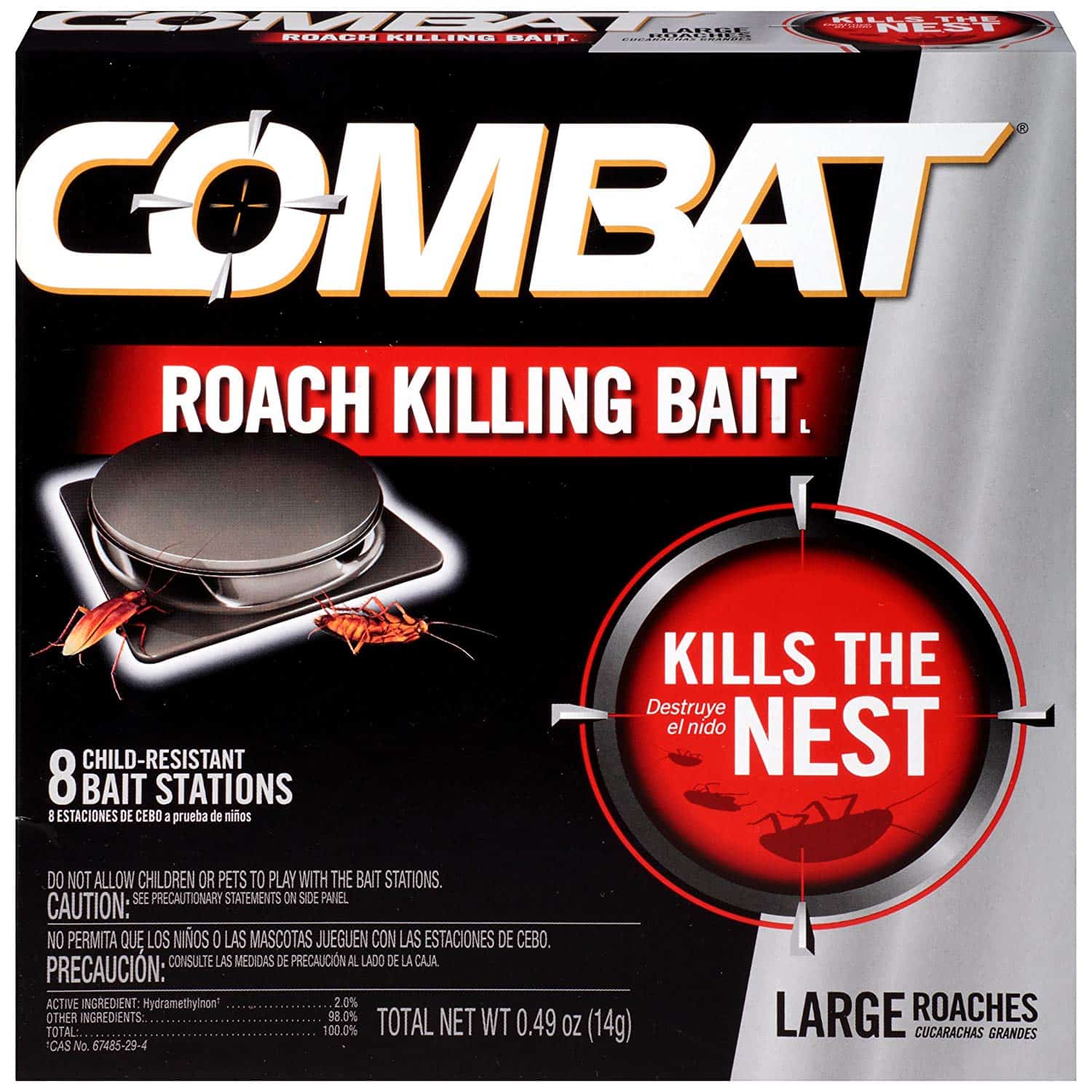
Combat Roach Killing Bait
Best for: Ready-to-place enclosed bait stations
An enclosed consumer bait format for straightforward placement.
- Contained station formatnSimple placementnUseful as one layer of control
Know before buying: The library image shows older packaging; verify the current listing and label.
Check current options on AmazonTERRO Roach Bait Stations
Best for: Households preferring a pre-filled enclosed bait format
A ready-to-place station that avoids handling loose gel, subject to current label directions.
- Pre-filled enclosed format
- Simple placement
- No applicator required
Know before buying: Use only in label-approved locations and keep away from children, pets, food and food-contact surfaces as directed.
Compare TERRO bait optionsCatchmaster Insect Monitoring Traps
Best for: Locating activity and comparing counts over time
Adhesive monitors help identify active harborages and measure whether a control plan is improving.
- Pesticide-free monitoring role
- Useful under sinks and near appliances
- Makes progress measurable
Know before buying: Place where children and pets cannot contact the adhesive and inspect on a regular schedule.
Check monitoring-trap options
2 thoughts on “Pet-Conscious Cockroach Control: Safer Planning Guide”