
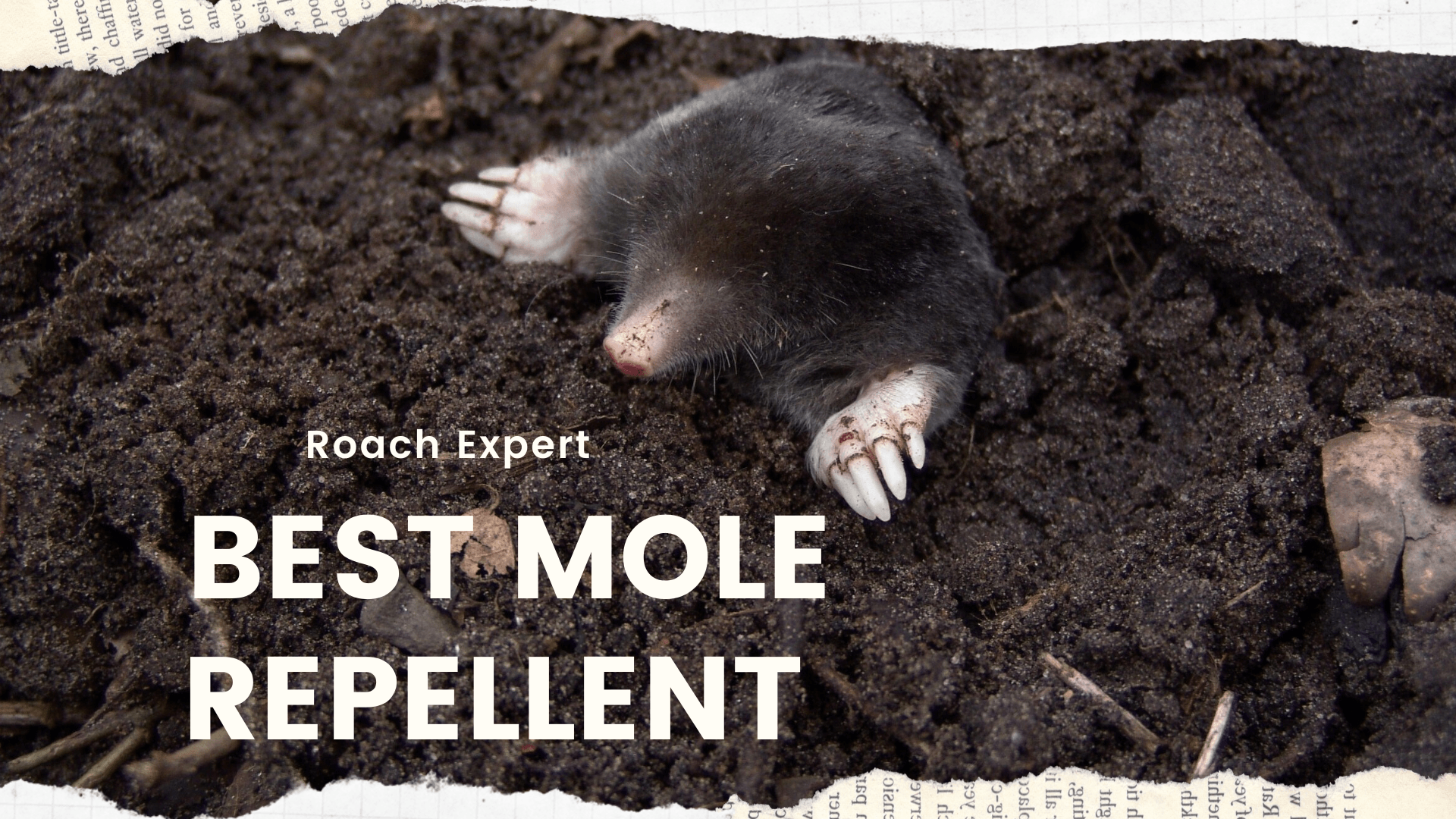
Mole repellents are less dependable than confirming active tunnels and using a locally permitted control plan. Moles are insect-eating mammals, not rodents, and visible ridges may remain after activity stops. Identify fresh damage before buying castor-oil products, sonic stakes, grub treatments, or traps.
Confirm moles
Moles create raised surface ridges and deeper runs; pocket gophers produce fan-shaped soil mounds and eat plants; voles leave surface runways and gnaw vegetation. Press down a short section of tunnel and see whether it is repaired within a day or two.
Methods compared
| Method | Role | Limit |
|---|---|---|
| Castor-oil repellent | May shift activity from treated turf | Variable results, weather, irrigation, and reapplication |
| Sonic/vibration stake | Non-lethal trial | Limited evidence and soil-dependent transmission |
| Grub treatment | Controls a diagnosed turf-grub problem | Moles also eat earthworms; unnecessary pesticide harms non-targets |
| Exclusion | Protects small beds with buried barriers | Labor-intensive and impractical for whole lawns |
| Trapping | Can target an active tunnel where legal | Placement, welfare, safety, and local-law requirements |
Repellent trial
- Map active tunnels.
- Read the label and measure the area.
- Apply from the protected area outward if directed.
- Control irrigation and rainfall expectations.
- Photograph ridges and reassess fresh activity.
- Stop repeated application if no measurable benefit occurs.
Do not use gasoline, exhaust, flooding, explosives, broken glass, or improvised poisons in tunnels. These methods are dangerous, environmentally harmful, and may be illegal.
When to tolerate or repair
Moles can aerate soil and consume some insects, but extensive tunneling can disturb turf and roots. Flatten inactive ridges, repair turf, correct overwatering, and protect high-value areas rather than treating the entire property without current activity.
Confirm that the damage is from moles
Moles are insectivorous mammals that create raised surface ridges and deeper tunnels. They are often confused with voles, gophers, and other burrowing animals whose food and control strategies differ. Flatten a short section of several ridges and check which routes are repaired within a day or two; active-runway information is more useful than treating every visible mound.
Method comparison
| Method | Best use | Decision point |
|---|---|---|
| Habitat adjustment | Reduce excessive irrigation and conditions supporting abundant prey | Avoid damaging healthy turf or assuming all soil insects should be removed |
| Physical barrier | Small, high-value beds | Depth, seams, maintenance, and installation cost |
| Castor-oil repellent | Labeled temporary displacement trial | Coverage, watering directions, reapplication, movement to another area |
| Vibration/ultrasonic device | Optional low-risk trial | Limited evidence and soil-dependent coverage |
| Trapping | Confirmed active tunnels where lawful | Correct placement, humane use, local regulation |
Four-week lawn plan
- Map fresh ridges and verify the animal.
- Correct overwatering and protect only the highest-value zones.
- Select one labeled or locally recommended method.
- Track new ridge length or activity weekly rather than judging old damage.
- Repair turf after activity declines and continue monitoring.
Avoid flooding tunnels, exhaust gas, gasoline, explosives, or improvised toxicants. These methods create fire, poisoning, groundwater, and non-target risks. Contact local extension or a licensed professional when identification or legal methods are uncertain.
Questions before buying or hiring
- Was the animal confirmed from active tunnels rather than old lawn damage?
- What outcome should occur, and within what period?
- Could the method move activity into a neighbor’s lawn or another bed?
- What restrictions apply around wells, edible plants, children, and pets?
- How will new activity be distinguished from old ridges?
For a service, request the identification basis, method, inspection frequency, pricing, and follow-up terms in writing. A credible plan should explain soil and runway conditions, not promise that one device permanently protects every yard.
Repair without hiding evidence too early
Do not flatten the entire lawn before active routes are mapped. Once activity has stopped, level loose soil, restore turf, correct irrigation problems, and check periodically after wet weather when tunneling can become more visible.
Sources
Ongoing monitoring
Expect lawn recovery to lag behind control because old ridges remain visible. Judge only fresh tunneling and repaired test sections. Keep pets away from devices and active work areas, store products in original containers, and preserve service records. Seasonal recurrence should trigger a new inspection rather than automatic reuse of last year’s method.