
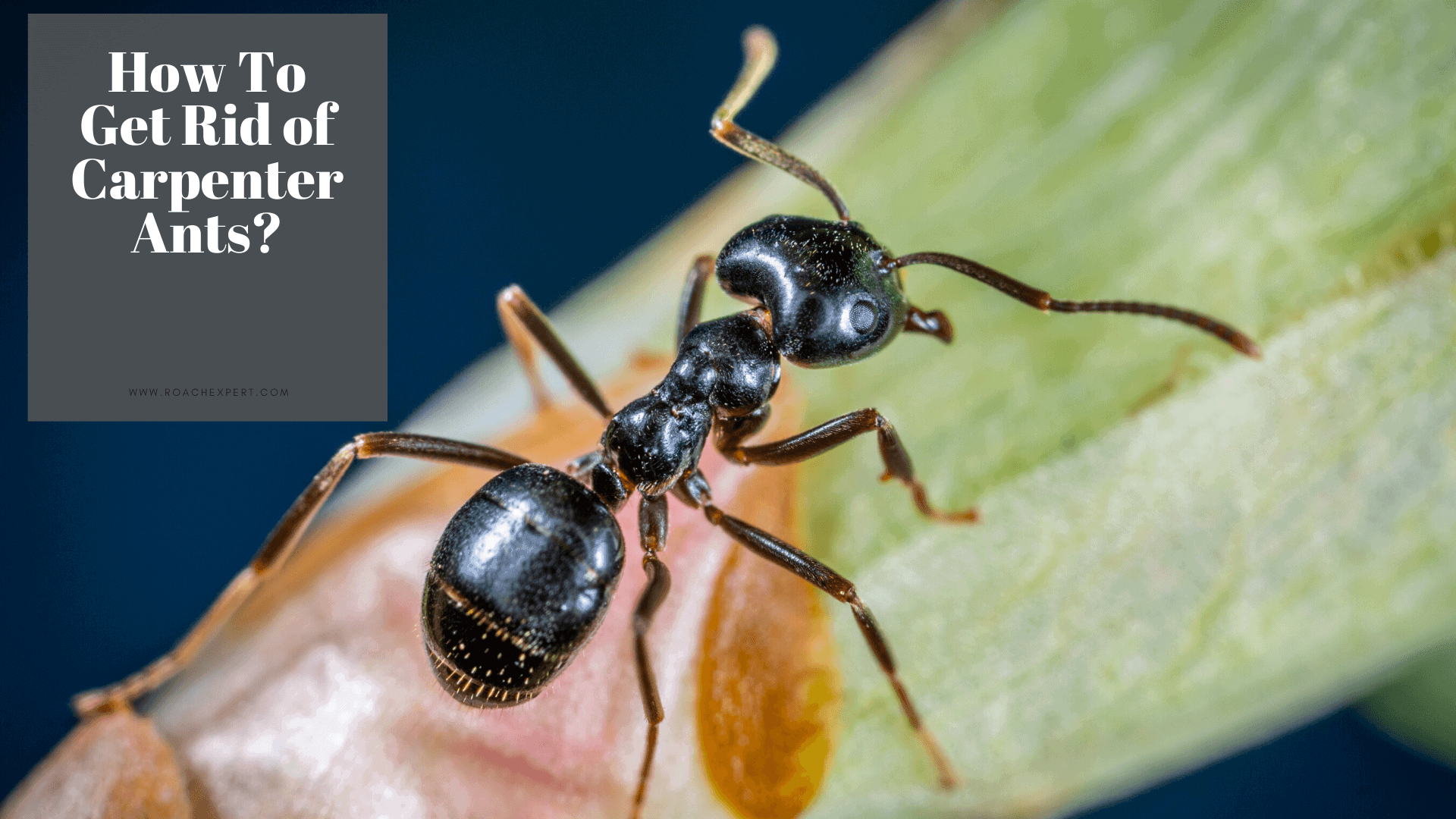
Carpenter ant control starts with locating moisture-damaged wood and the nest—not spraying the workers you see. Inspect roof, window, plumbing, deck, tree, and wall areas for damp wood, coarse sawdust-like debris, rustling, and nighttime trails. Repair moisture and structural defects while a qualified professional addresses inaccessible nests when necessary.
Key distinctions
- Carpenter ants excavate galleries in wood but do not eat wood like termites.
- Large workers alone do not prove the main nest is inside the building.
- Moisture-damaged wood is a major inspection clue.
- Satellite nests can occur away from the parent colony.
- Structural damage or hidden nests justify professional help.
Carpenter ant or termite?
| Feature | Carpenter ant | Termite swarmer |
|---|---|---|
| Antennae | Elbowed | Relatively straight |
| Waist | Narrow, pinched | Broad |
| Wings | Forewings larger than hindwings | Four wings of similar length |
| Wood evidence | Clean galleries and coarse debris may be present | Mud tubes, damaged wood, or pellet evidence varies by termite type |
Do not rely on one feature from a damaged specimen. Preserve insects and wings for expert identification when structural damage is possible.
Where to inspect
- Roof leaks, gutters, fascia, soffits, skylights, and chimney flashing.
- Window and door frames exposed to moisture.
- Plumbing walls, tubs, showers, dishwashers, and leaking supply lines.
- Decks, porches, fence connections, stumps, logs, and trees touching the building.
- Foam insulation, wall voids, hollow doors, and utility penetrations.
How to locate activity
- Inspect after sunset when workers may forage.
- Follow trails in both directions without spraying them.
- Look for coarse wood debris, insect parts, or material pushed from a gallery.
- Listen near suspected damp voids when the building is quiet.
- Check exterior trees and wood sources as well as indoor rooms.
- Use a qualified inspector before opening walls or removing structural material.
Control plan
Correct moisture
Repair roof, plumbing, drainage, and ventilation problems. Replace structurally compromised wood as advised by a building professional.
Remove conducive conditions
Move firewood away, remove stumps where appropriate, trim branches from the roof, and prevent soil or mulch from staying wet against wood.
Treat the actual nest
Indoor bait may help in some situations, but food preferences and nest location matter. Inaccessible structural nests often require a licensed professional using label-approved void treatment and follow-up.
Seal after source control
Close cracks, screens, and utility routes after active colonies and moisture are addressed. Premature sealing can redirect ants.
Structural safety: Do not drill walls, inject pesticide, disturb wiring, or remove load-bearing material without appropriate expertise. Suspected termite damage should be evaluated separately.
Why surface spray fails
Foraging workers are only part of the colony. Killing visible ants may make the trail disappear temporarily while queens, brood, and satellite nests remain. A nest-focused plan and moisture repair provide a more durable result.
When to hire a professional
- Ants emerge from walls, ceilings, roof structures, or electrical areas.
- Winged ants repeatedly appear indoors.
- Wood sounds hollow, shows galleries, or has structural deterioration.
- Several nests or a multifamily building may be involved.
- Moisture and activity continue after repairs.
Frequently asked questions
Do carpenter ants always mean structural damage?
No. Workers may forage indoors from an exterior nest. Repeated indoor activity plus moisture and gallery evidence raises concern.
Can I use ordinary ant bait?
Only when the label includes the pest and site. Carpenter ant food preference varies, and inaccessible nests may need professional treatment.
Should the tree with ants be removed?
Not automatically. Healthy trees can host ants in existing decay. Consult an arborist for tree risk and a pest professional for building entry.
Confirm that the colony—not only foragers—was addressed
Track fresh activity at moisture-damaged wood, roof and plumbing leaks, stumps, utility routes, and wall transitions. Fewer visible workers can occur while a parent or satellite nest remains active. Repair moisture and damaged material after the colony plan is established, then monitor for renewed frass, winged ants, or trails. Structural uncertainty or inaccessible nests justify professional inspection.