
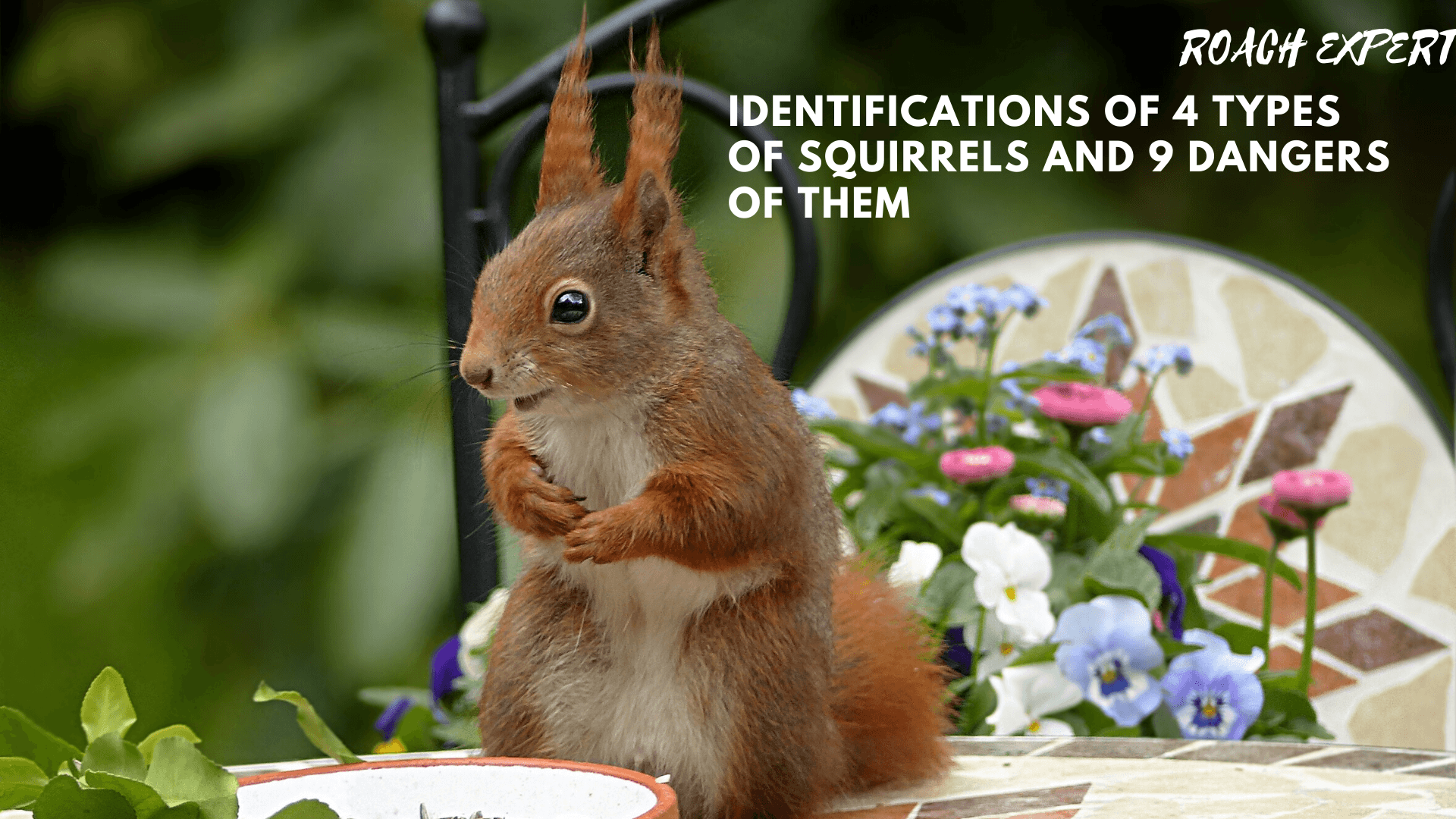
“Squirrel” can mean tree squirrels, ground squirrels, or flying squirrels, and the correct response depends on which group is present. Tree squirrels commonly access roofs and attics; ground squirrels create burrow systems; flying squirrels are nocturnal and may enter upper structures. Damage evidence should be identified before control.
Squirrel groups compared
| Group | Typical sign | Main concern |
|---|---|---|
| Tree squirrels | Daytime climbing, nests in trees, roof access | Gnawing, attic nesting, feeder and garden damage |
| Ground squirrels | Burrow entrances and daytime ground activity | Soil undermining, crop damage, local disease concerns |
| Flying squirrels | Nocturnal gliding and attic sounds | Hidden colonies, contamination, structural access |
| Chipmunks | Small striped ground animal and compact burrows | Garden feeding and foundation-adjacent burrows |
Property risks
- Gnawed wiring, wood, vents, and stored materials.
- Insulation disturbance and nesting contamination.
- Blocked vents or chimney access.
- Damage to fruit, bulbs, seedlings, and feeders.
- Burrows near slabs, walls, irrigation, or landscaping.
Health and handling
Avoid direct handling, bites, scratches, fleas, ticks, urine, feces, and carcasses. Keep pets away and contact local public health or wildlife authorities for abnormal behavior, exposure, or regional disease questions. Risk varies by species and location.
Identification process
- Record time of activity.
- Photograph body size, tail, stripes, and movement.
- Map tree nests, roof openings, or burrows.
- Note gnaw marks, tracks, droppings, and stored food.
- Use a wildlife professional when bats, rats, squirrels, and other attic animals could be confused.
Never enter confined roof spaces or handle wildlife without appropriate training. Exclusion timing must protect dependent young and comply with local law.
Next guide
For roof or attic activity, follow how to get rid of squirrels safely. For burrows, use the ground squirrel guide.
Field identification checklist
| Sign | Tree squirrel pattern | Ground squirrel pattern |
|---|---|---|
| Activity | Climbing, rooflines, trees, overhead routes | Ground-level travel and burrow entrances |
| Shelter | Tree cavities, leaf nests, or building voids | Underground burrow system |
| Damage | Gnawed fascia, vents, wiring, fruit, feeders | Excavation, undermining, crop and irrigation damage |
| First response | Humane building exclusion and access repair | Burrow mapping, species/legal check, landscape plan |
Color alone is unreliable because species, age, season, and local populations vary. Photographs of the whole animal, tail, markings, posture, burrow, and surrounding damage help an extension office or wildlife professional identify it.
Risk assessment
Prioritize immediate action when gnawing affects electrical wiring, animals enter living space, burrows threaten foundations or walkways, or an animal behaves abnormally. Avoid direct handling, cornering, feeding, or approaching young. Bites and scratches require prompt medical advice, and local public-health guidance should be followed for unusual wildlife behavior.
Prevention by squirrel type
- Tree squirrels: maintain roof and vent guards, manage branches where practical, secure feeders and waste, and inspect seasonal weak points.
- Ground squirrels: remove accessible food, manage dense cover, protect vulnerable beds, inspect burrows near infrastructure, and follow local rules.
- Flying squirrels: treat suspected building entry as a specialist identification and exclusion problem; their nocturnal activity is easily confused with rodents.
Document before choosing a method
Keep a short log of time, location, weather, count, route, and damage. This prevents a method intended for a tree squirrel from being used on a burrowing species and provides a baseline for judging whether prevention actually works.
Regional identification matters
Common names and legal status vary by region. Fox, gray, red, flying, and ground squirrels do not share identical ranges, behavior, or permitted control methods. Compare observations with a local extension or wildlife-agency guide rather than relying on a generic image search. Note body proportions, tail shape, markings, vocalizations, time of activity, habitat, and geographic location.
If only damage is visible, a trail camera positioned without bait may provide better evidence. Avoid feeding wildlife to obtain a photograph because feeding can intensify conflict and disease exposure.
Sources
Ongoing monitoring
Identification also improves communication with contractors: request that the proposed species and evidence appear in the written plan. Review photos and signs together before approving exclusion, trapping, or cleanup. If observations conflict—for example, nocturnal noise but only daytime sightings—continue monitoring because more than one animal may be present.