
Total-release foggers are usually a poor match for cockroach control. The aerosol settles on exposed surfaces but does not reliably penetrate the narrow cracks, appliance voids, cabinet joints, and wall spaces where cockroaches hide. Foggers also introduce fire, explosion, and pesticide-exposure risks when the label is not followed exactly.
Editorial verdict
For most household cockroach problems, choose monitoring, sanitation, moisture correction, exclusion, and targeted bait placement instead of a fogger. If a total-release product is considered, the exact label—not room size guesswork or online advice—determines whether and how it may be used.
What a total-release fogger does
A total-release fogger, sometimes called a bug bomb, empties an aerosol pesticide into an enclosed space after activation. The droplets disperse through open air and settle on surfaces. This is different from professional space treatment, crack-and-crevice application, or baiting.
Cockroaches spend much of their time pressed into protected harborages. Because the fog follows open-air paths, the amount reaching those harborages may be limited while counters, floors, furniture, and other exposed surfaces receive residue.
Why foggers often disappoint against cockroaches
| Problem | Why it matters | Better response |
|---|---|---|
| Limited harborage penetration | Cockroaches hide deep in cracks and voids | Place monitors and bait close to confirmed activity |
| No source correction | Food, water, leaks, clutter, and entry routes remain | Use an integrated control plan |
| Broad residue | Exposed household surfaces may receive pesticide | Use targeted label-approved placements |
| Possible dispersal | Disturbed insects may retreat farther into voids or adjoining areas | Monitor distribution before and after treatment |
| No residual monitoring | A dramatic release does not show whether the population is declining | Count dated sticky-trap captures weekly |
Major fogger safety risks
Fire and explosion
Fogger propellants may be flammable. Ignition sources can include pilot lights, flames, sparks, cycling appliances, and electrical equipment. Using too many foggers for the space increases risk. Follow every label instruction regarding room volume, ignition sources, placement, and preparation.
Breathing and contact exposure
People and pets must leave for the label-specified period and the space must be ventilated as directed before re-entry. Premature re-entry can cause exposure. Sensitive occupants should discuss the plan with an appropriate professional.
Residue on household surfaces
Food, dishes, toys, pet items, and food-contact surfaces require the preparation or cleaning specified by the label. Do not assume that every object can safely remain exposed.
Misuse in small or enclosed spaces
Never activate a fogger in a cabinet, closet, crawl space, vehicle, or other small enclosure unless the label specifically permits that use. Never improvise with additional cans or combine products.
If a fogger has already been misused: Keep people and pets away, avoid creating sparks or flames, and follow emergency information on the product label. For exposure advice in the United States, contact Poison Control at 1-800-222-1222; call emergency services for severe symptoms or an active fire.
Better alternatives for cockroach control
- Identify the species. German and American cockroaches require different source inspections.
- Map activity. Place dated sticky monitors along wall edges and near appliances or plumbing.
- Remove resources. Correct leaks, dry sinks, seal food, clean grease, and remove cardboard.
- Use targeted bait. Apply an appropriately labeled bait near active harborages in protected locations.
- Exclude routes. Seal pipe gaps, baseboards, door gaps, and shared passages after inspection.
- Measure results. Weekly captures should decline; persistent or spreading activity requires reassessment.
See the complete seven-step cockroach treatment plan and our comparison of gel, station, and granular baits.
When professional treatment makes sense
Call a licensed professional when cockroaches are visible during the day, several rooms or apartments are involved, the source is a sewer or shared utility system, sensitive occupants complicate treatment, or careful monitoring and baiting do not produce a consistent decline.
A competent provider should inspect and explain the species, harborages, treatment method, preparation, follow-up, and occupant precautions. Use the DIY vs professional decision guide.
If you still choose a fogger
This article cannot replace the product label. Before purchase, confirm that the product is labeled for the pest and exact site. Calculate the treatment area only as the label directs. Prepare food and belongings, remove people and pets, address aquariums as directed, eliminate ignition sources, place the can exactly as instructed, leave immediately, observe the full re-entry time, and ventilate as required.
Do not treat more often, use more cans, or shorten the ventilation period. Keep the product package and label available in case exposure advice is needed.
Frequently asked questions
Do foggers kill cockroach eggs?
Do not assume that airborne fog will penetrate or control egg cases hidden inside protected harborages. Continued monitoring is necessary because nymphs may appear after treatment.
Can I use a fogger in an apartment?
Shared walls, alarms, ventilation, building rules, and neighboring occupants make apartment use especially complex. Notify management and follow local requirements. Coordinated inspection and targeted treatment are generally more useful for building-wide activity.
Can a fogger be used in a car?
Do not use a household fogger in a vehicle unless its label explicitly permits that site. Vehicles are small enclosed spaces with electronics and potential ignition sources. Follow our cockroaches in a car guide.
Why did cockroaches reappear after fogging?
Hidden insects, egg cases, untreated adjoining areas, or unchanged food and moisture can sustain activity. Start monitoring and switch to a source-focused integrated plan.
Sources and further reading
- U.S. EPA: Safety Precautions for Total Release Foggers
- National Pesticide Information Center: Total Release Foggers
- University of California Statewide IPM Program: Cockroaches
Product options for this treatment role
These links are provided for comparison, not as a substitute for the product label or professional advice.
Alternatives to total-release foggers
Monitoring, targeted bait placement and an IGR role can fit an integrated plan more precisely.
Catchmaster Insect Monitoring Traps
Best for: Locating activity and comparing counts over time
Adhesive monitors help identify active harborages and measure whether a control plan is improving.
- Pesticide-free monitoring role
- Useful under sinks and near appliances
- Makes progress measurable
Know before buying: Place where children and pets cannot contact the adhesive and inspect on a regular schedule.
Check monitoring-trap options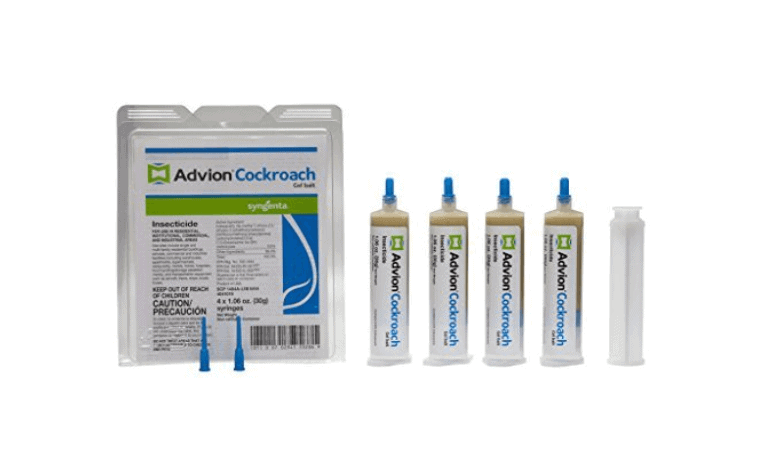
Advion Cockroach Gel Bait
Best for: Targeted gel placements
Flexible small placements near confirmed harborages.
- Flexible crack-and-crevice placementnUseful within an integrated bait plannNo price or rating claims
Know before buying: Keep away from children, pets, food-contact surfaces, and exposed electrical components.
Check current options on AmazonGentrol Point Source IGR
Best for: Adding an insect-growth-regulator role to an IPM plan
A point-source insect growth regulator intended for labeled indoor placements. It is not a stand-alone knockdown product.
- No spray mixing for point-source use
- Complements monitoring and baiting roles
- Useful where the label permits placement
Know before buying: Read the current label for placement, coverage, food-area restrictions and replacement interval.
Compare current Gentrol options